
Vermouth Adds Herbal Magic Without Losing Wine’s Essence
Wine is more than a drink it reflects culture, history, and craftsmanship. As modern wine culture continues to evolve, wine enthusiasts are exploring new styles and expressions beyond traditional reds, whites, and rosés. One such style is herbal wine, better known as Vermouth. At first sip, it may feel familiar, yet it immediately distinguishes itself with layers of botanical expression, subtle bitterness, and aromatic complexity.
It starts with a carefully selected base fermented wine, preserving wine structure, acidity and tannin, and wine balance, before incorporating herbs and spices to create a truly aromatic wine. Unlike typical wines, herbal wines offer an evolving tasting experience that rewards attention and exploration.
The Origins of Herbal Wine
Vermouth has a rich history that dates back centuries. It emerged in Europe primarily Italy and France—as an aromatized wine designed to enhance flavour and preserve the wine itself. While most wines of the time relied solely on grapes and fermentation techniques, herbal wines introduced botanicals such as wormwood, chamomile, citrus peel, and a host of other aromatic herbs.
In its early days, Vermouth was valued for both its medicinal and culinary properties. Over time, it evolved into a sophisticated beverage, celebrated for its wine complexity and botanical expression, rather than its functional uses.
Dolin Rouge Vermouth is a modern example that respects this history while showcasing contemporary wine craftsmanship. It captures the elegance of a classic wine while adding subtle herbal layers that create depth and intrigue.
Key Takeaways:
- Vermouth has roots in 18th-century Europe, bridging wine tradition and innovation
- Botanicals were historically used to enhance wine aroma and longevity
- Modern interpretations maintain elegance and structural integrity

What Makes Vermouth Different from Other Wines
The primary distinction of vermouth lies in its combination of base wine and botanicals. While standard wines build wine complexity primarily through grape variety, fermentation, and aging, herbal wines introduce additional layers of flavour via herbs, roots, and spices.
Unlike fortified wines like Port or Sherry, which rely on sweetness and alcohol fortification, herbal wines maintain a dry vermouth character. This balance allows the base wine to remain the foundation, ensuring the final product is more than just flavoured alcohol—it is a full-fledged botanical wine.
Dolin Dry Vermouth demonstrates this distinction beautifully. Its herbal infusion highlights wine aroma while respecting the base fermented wine, creating a layered experience that is markedly different from standard whites or fortified wines.
Key Differences Between Herbal and Other Wines:
- Retains core wine structure and wine balance
- Botanicals provide subtle bitterness and aromatic wine complexity
- Can be enjoyed neat, with food, or in cocktails without losing authenticity
The Craft Behind Herbal Wine
Producing this requires meticulous wine craftsmanship. It is not simply a matter of adding herbs to wine; the process must ensure that botanical expression complements the base wine while preserving wine authenticity.
Key elements include:
- Base wine selection: Wines with the right acidity, tannin, and structure are chosen to carry botanicals
- Botanical integration: Herbs, spices, and roots are carefully blended for balance
- Timing and infusion: Precise control ensures that Flavors unfold gradually without overwhelming
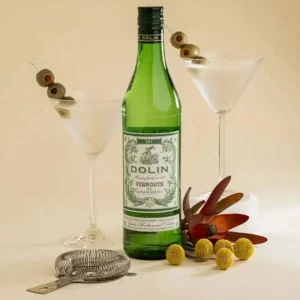
Dolin Blanc Vermouth exemplifies this craft. The botanicals are infused in harmony with the wine, resulting in an aromatic wine with subtle herbal notes and balanced complexity. Its structure allows both casual and sophisticated palates to enjoy the layered Flavors fully.
Why This Matters:
- Demonstrates the precision and artistry in vermouth production
- Ensures wine balance and acidity and tannin are preserved
- Highlights how vermouth differs from standard wines in taste, structure, and sophistication
Tasting Vermouth aroma, palate
Tasting herbal wine is a layered sensory experience. Unlike standard wines, which often rely on grape aroma and sweetness, herbal wines reveal depth and nuance through botanical expression.
Visual: Herbal wines like Dolin Vermouth often have a clear, golden, or amber hue that hints at their botanical infusion.
Aroma: Notes of citrus peel, chamomile, rosemary, and subtle spices create a fragrant bouquet that unfolds over time.
Palate: The base wine provides wine structure and wine balance, while herbs introduce mild bitterness, floral undertones, and layered complexity.
Finish: A lingering, evolving taste that is both aromatic and satisfying, unlike many standard wines where flavour may end abruptly.
Key Takeaways:
- Aromas evolve over time, offering layered aromatic wine experience
- Complexity comes from the interplay between wine and botanicals
- Each Dolin Vermouth demonstrates a unique sensory profile
Vermouth and Food Pairing
One of the unique strengths of this is its versatility in food and wine pairing. Its herbal and aromatic qualities allow it to complement dishes in ways standard wines often cannot.
Examples:
- Dolin Dry Vermouth: Pairs well with grilled vegetables, seafood, and herb-heavy dishes
- Dolin Blanc Vermouth: Ideal with citrus-infused meals, light cheeses, or fresh salads
- Dolin Rouge Vermouth: Complements richer fare like roasted poultry or lightly spiced dishes
Unlike traditional wines, herbal wines can enhance herb-forward cuisine without overwhelming it, making them an excellent choice for both casual and fine dining experiences.
Why Modern Wine Culture Loves Herbal Wine
In contemporary wine styles, consumers are increasingly drawn to innovation that respects tradition. Vermouth perfectly embodies this, offering wine innovation without abandoning wine authenticity.
It bridges classic wine tradition and modern sensibilities:
- Offers new Flavors and aromas for adventurous palates
- Maintains wine structure, ensuring it can be appreciated as a standalone drink
- Fits seamlessly into cocktails or as a sipping wine, showing flexibility absent in standard wines
Why Wine Enthusiasts Should Explore Herbal Wine
Vermouth invites exploration. It rewards curiosity, offering a deeper appreciation of wine craftsmanship, wine complexity, and botanical expression. By understanding it, wine enthusiasts expand their knowledge of modern wine culture and wine evolution.
Key Reasons to Explore Herbal Wine:
- Introduces dry vermouth Flavors absent in standard wines
- Offers a unique balance of wine aroma, structure, and layered complexity
- Enhances food and wine pairing, cocktails, and tasting experiences
Conclusion
Herbal wine, or Vermouth, is a sophisticated, nuanced wine style that combines history, innovation, and artistry. Wines like Dolin Rouge Vermouth, Dolin Dry Vermouth, and Dolin Blanc Vermouth demonstrate the elegance and versatility of herbal wine:
- They preserve the integrity of fermented wine
- Showcase botanical expression, wine complexity, and aromatic wine qualities
- Offer experiences distinct from standard reds, whites, or rosés
- Represent a perfect balance of wine tradition and modern wine culture
Exploring it allows wine lovers to discover a category that is both familiar and surprising complex, layered, and entirely its own. Vermouth proves that innovation and tradition can coexist, creating dry vermouth experiences that redefine what wine can be.
FAQs
What is herbal wine?
Herbal wine, also known as Vermouth, is a wine infused with herbs, spices, and botanicals while maintaining its wine structure and balance.
How is Vermouth different from regular wine?
Unlike standard wines, Vermouth adds botanical expression and subtle bitterness, creating a dry vermouth experience.
What are Dolin Vermouths?
Dolin Rouge, Dolin Dry, and Dolin Blanc Vermouths are premium herbal wines that showcase wine craftsmanship and layered aromatic wine qualities.
Can vermouth be paired with food?
Yes, herbal wines complement herb-forward dishes, seafood, and cheeses, enhancing both flavour and the wine aroma.
Is vermouth sweet or dry?
Vermouth is typically a dry herbal wine, balancing botanicals with the base fermented wine for subtle complexity.
What makes Vermouth complex?
Its complexity comes from the interaction of fermented wine with botanicals, creating evolving wine complexity and layered aromas.
How is vermouth crafted?
Vermouth is crafted by blending carefully selected base wine with herbs and spices, preserving wine balance and authenticity.
Why is vermouth popular in modern wine culture?
It combines wine tradition with wine innovation, offering unique Flavors, botanical expression, and versatile tasting experiences.
-
 Fins Bois Cognac Delivers Character Without Spotlight
 -
Sherry Casks Add Rich Layers to Scotch Whisky Maturation
-
Pale Rose Wine change Impression in Tasting Surprise
-
London Dry Gin Holds Its Classic Appeal than Modern Gin
-
Prestige Cuvée Champagne Showcases Winemaking Vision
-
Pinot Grigio and Sauvignon Blanc Meets Flavour Intensity
-
Understanding Pink Gin Texture with Different Temperatures
-
International Vodka Day Works Beyond Party Stereotypes
-
French Vermouth Styles Hides Herbs in Silky Wine Base
-
Oak Aged Red Wine delivers smoky warm finish



-
Christmas Cocktails You Can Make at Home
-
Sound Of Christmas Wine And Cheese?
-
A Fresh Take on New Year’s Resolutions
-
The Art of Smelling Wine Like a True Connoisseur
-
Looking for the Best Wine? Here's Where to Find It!
-
Read This Before You Buy Your Dad a Whisky.
-
Whiskey on the Rocks — Cool Choice or Flavor Mistake?
-
The Art of Pairing Wine with Indian Food
-
The Ingredients & Botanicals That Define Gin
-
Seven Days of Love — Wine for Valentine’s Week








-
Sherry Casks Add Rich Layers to Scotch Whisky Maturation
-
Pale Rose Wine change Impression in Tasting Surprise
-
London Dry Gin Holds Its Classic Appeal than Modern Gin
-
Pinot Grigio and Sauvignon Blanc Meets Flavour Intensity
-
Understanding Pink Gin Texture with Different Temperatures
-
International Vodka Day Works Beyond Party Stereotypes
-
French Vermouth Styles Hides Herbs in Silky Wine Base
-
Oak Aged Red Wine delivers smoky warm finish
-
Vodka Taste Differ Even When Recipes Match
-
Light and Full-Bodied Sparkling Wines Bring Two Taste Layers