
Aging Writes the Real Port Wine Story Beyond Grapes
Port wine is often introduced as a sweet, fortified wine, but that description barely scratches the surface. What truly separates Port wine from most other wine styles is not sweetness, strength, or even grape composition. It is time. Aging is not a secondary phase in Port wine production; it is the defining force that determines how the wine looks, smells, feels, and ultimately behaves years after fermentation ends.
Grapes provide structure and raw material, but they exit the spotlight early. From fortification onward, aging decisions take full control. This is why Port wine is better understood through its aging journey than through vineyard maps or varietal lists.
What Is Port Wine and Why Aging Takes Over Early
To understand why aging dominates, it helps to revisit what is Port wine at a technical level. Port wine is fortified during fermentation, which stops yeast activity while sugar is still present. This locks in sweetness and alcohol early, freezing much of the grape-derived character in place.
From this point forward:
- Fruit expression changes very little
- Sugar and alcohol remain structurally stable
- Evolution depends almost entirely on aging
Unlike dry wines, Port wine does not rely on ongoing fermentation-driven development. Aging becomes the only path forward, making time the central creative element.
Why Grape Variety Fades in Importance in Port Wine
Port wine is traditionally blended, often from multiple grape varieties grown together. This approach prioritizes balance, durability, and consistency rather than varietal expression. Once fortification occurs, these blends function as a stable base rather than a flavour driver.
What ultimately defines the wine instead:
- Length of barrel aging
- Degree of oxygen exposure
- Timing of bottling
- Duration of bottle aging
This explains why Port wine history is rarely marketed or discussed by grape variety. Aging categories communicate far more about what the wine has become.
Ruby Port Wine Shows the Starting Point, Not the Destination
Ruby Port wine represents the earliest stage of Port wine expression. It is aged briefly, often in large vessels that limit oxidation, preserving deep colour and primary fruit character. This style offers a clear look at what grapes contribute before time reshapes them.
A wine such as Niepoort Ruby Port Red Wine is a useful reference point here. It reflects freshness, brightness, and structure before long aging transforms those elements. Ruby styles show potential, not final form. They are the opening chapter, not the conclusion.
Tawny Port Wine Demonstrates Aging in Full Control
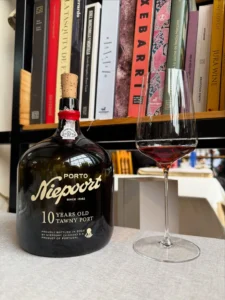
If ruby styles show where Port wine begins, Tawny Port wine shows where it can go. Extended barrel aging allows oxygen to interact slowly with the wine, triggering chemical changes that reshape aroma, colour, and texture.
Over time, tawny aging produces:
- Amber and golden hues
- Reduced fruit dominance
- Nut, dried fruit, and spice-driven aromas
- Softer, rounder mouthfeel
A reference such as Niepoort Tawny Port Red Wine illustrates how aging replaces youthful fruit with complexity and composure. At this stage, grape identity is no longer relevant. Time has rewritten the wine’s personality.
Barrel Aging Is the Primary Architect of Port wine
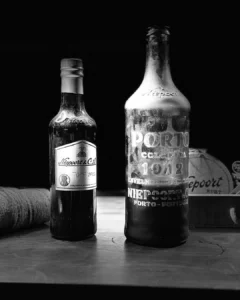
Barrel aging is not simply storage. It is a controlled process that actively alters the wine. Wood allows gradual oxygen exchange, which drives oxidation at a pace that can be managed but not rushed.
Key impacts of barrel aging on Port wine include:
- Alcohol integration into the body of the wine
- Softening of tannins and acidity
- Development of secondary and tertiary aromas
- Permanent colour transformation
Two Port wines made from identical grape blends can diverge completely if their barrel aging differs. This is why aging decisions outweigh vineyard distinctions once fermentation ends
LBV Port Wine Shows How Aging Strategy Shapes Balance
LBV Port wine (Late Bottled Vintage) provides a clear example of how aging strategy defines outcome. These wines are aged in barrel longer than ruby styles but less extensively than traditional tawny styles, followed by continued development in bottle.
A wine like Niepoort LBV Port Red Wine demonstrates this middle path. Barrel aging smooths edges and introduces complexity, while bottle aging integrates structure and depth. The result reflects neither pure youth nor full oxidation, but a balance shaped almost entirely by timing.
The grape blend may mirror other Port Labels and styles, but aging choices create a distinct identity.
Bottle Aging Completes the Port Wine Story
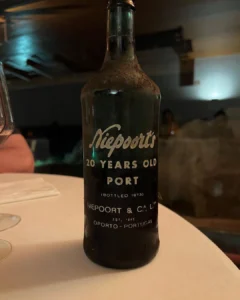
Once a Port wine bottle is sealed, evolution continues under restricted oxygen conditions. Bottle aging works slowly, allowing internal reactions to deepen structure and harmony rather than introduce new Flavors.
During extended bottle aging:
- Sweetness becomes more textural than sugary
- Alcohol feels supportive rather than assertive
- Aromas gain nuance rather than intensity
- Sediment forms naturally in some styles
A standard 750ml bottle becomes a long-term aging environment, not just packaging. Time inside the bottle completes the work that barrels begin.
Aging Explains Why Port Wine Styles Exist
Port wine styles are not arbitrary categories. They exist because aging paths differ.
- Short aging preserves freshness
- Long barrel aging encourages oxidation
- Bottle aging builds depth and structure
This is why Port wine classification focuses on aging terms rather than grape varieties. The style describes the journey, not the raw material.
Port Wine & Cheese Pairings Reflect Aging Influence
Discussions around Port wine & cheese often highlight how aging affects texture and balance. Younger styles align with softer, milder cheeses, while long-aged wines match better with firmer, more complex profiles.
These pairings work because aging reshapes mouthfeel and aromatic depth. Grapes play a minor role by comparison.
Why Best Wine Brands Are Recognized for Aging Skill
When people reference best wine brands in the Port category, they are usually acknowledging aging expertise rather than vineyard prestige. Reputation is built on consistency, patience, and technical control over long periods.
Producers earn trust by:
- Managing oxidation carefully
- Choosing appropriate barrel programs
- Blending for long-term stability
- Releasing wines only when aging objectives are met
This is why conversations around the best port wine focus on maturity and balance, not varietal composition.
How to Drink Wine with an Aging Perspective
Understanding how to drink wine in the context of Port means paying attention to signs of aging rather than chasing specific Flavors.
Key observations include:
- Colour as an indicator of barrel exposure
- Aroma complexity shaped by time
- Texture reflecting long integration
This approach highlights what aging has achieved, not what grapes once offered.
Conclusion
In Port wine, grapes provide structure, but aging provides meaning. From ruby to tawny, from LBV to long bottle-aged examples, every defining trait emerges through time.
Whether referencing a youthful Niepoort Ruby Port Red Wine, a composed Niepoort Tawny Port Red Wine, or a balanced Niepoort LBV Port Red Wine, the lesson remains consistent: aging determines identity.
Beyond grapes, aging writes the real Port wine story—slowly, deliberately, and with lasting impact.
FAQs
What is Port wine and how is it different from regular wine?
Port wine is a fortified wine where fermentation is stopped early, preserving sweetness and alcohol. This structure makes aging far more influential than grape variety in shaping the final wine.
Why does aging matter more than grapes in Port wine?
Grape influence is largely fixed after fortification, limiting further development from fruit.
Aging then drives flavour, texture, colour, and balance over many years.
How does barrel aging affect Port wine character?
Barrel aging introduces controlled oxygen exposure that softens alcohol and tannins. It also develops complex aromas and gradually shifts colour from ruby to amber.
What is the difference between ruby Port wine and tawny Port wine?
Ruby Port wine is aged briefly to preserve fresh fruit and deep colour. Tawny Port wine spends extended time in barrels, gaining nutty, mellow complexity.
What makes LBV Port wine different from other styles?
LBV Port wine is aged longer in barrels than ruby styles, then bottled for further development. This creates a balance between youthful fruit and aged depth.
Why do Port wine bottles often develop sediment?
Sediment forms naturally during long bottle aging as compounds settle over time. It is a sign of aging and evolution, not a flaw in the wine.
How does aging influence Port wine & cheese pairings?
Younger Port wines match well with fresh, mild cheeses due to their fruit-forward style. Aged Port wines pair better with firmer cheeses because of their richer texture and depth.
How should Port wine be approached to appreciate aging?
Focus on colour, aroma layers, and texture rather than identifying specific Flavors. This helps reveal the impact of time and aging choices on the wine.
-
 Pale Rose Wine change Impression in Tasting Surprise
 -
London Dry Gin Holds Its Classic Appeal than Modern Gin
-
Prestige Cuvée Champagne Showcases Winemaking Vision
-
Pinot Grigio and Sauvignon Blanc Meets Flavour Intensity
-
Understanding Pink Gin Texture with Different Temperatures
-
International Vodka Day Works Beyond Party Stereotypes
-
French Vermouth Styles Hides Herbs in Silky Wine Base
-
Oak Aged Red Wine delivers smoky warm finish
-
Rich Layered Taste Profile Dominates Blanc de Noirs
-
Vodka Taste Differ Even When Recipes Match
-
Christmas Cocktails You Can Make at Home
-
Sound Of Christmas Wine And Cheese?
-
A Fresh Take on New Year’s Resolutions
-
The Art of Smelling Wine Like a True Connoisseur
-
Looking for the Best Wine? Here's Where to Find It!
-
Read This Before You Buy Your Dad a Whisky.
-
Whiskey on the Rocks — Cool Choice or Flavor Mistake?
-
The Art of Pairing Wine with Indian Food
-
The Ingredients & Botanicals That Define Gin
-
Seven Days of Love — Wine for Valentine’s Week




-
Pale Rose Wine change Impression in Tasting Surprise
-
London Dry Gin Holds Its Classic Appeal than Modern Gin
-
Pinot Grigio and Sauvignon Blanc Meets Flavour Intensity
-
Understanding Pink Gin Texture with Different Temperatures
-
International Vodka Day Works Beyond Party Stereotypes
-
French Vermouth Styles Hides Herbs in Silky Wine Base
-
Oak Aged Red Wine delivers smoky warm finish
-
Vodka Taste Differ Even When Recipes Match
-
Light and Full-Bodied Sparkling Wines Bring Two Taste Layers
-
Maceration Time impacts Flavour in Pink Gin Styles