
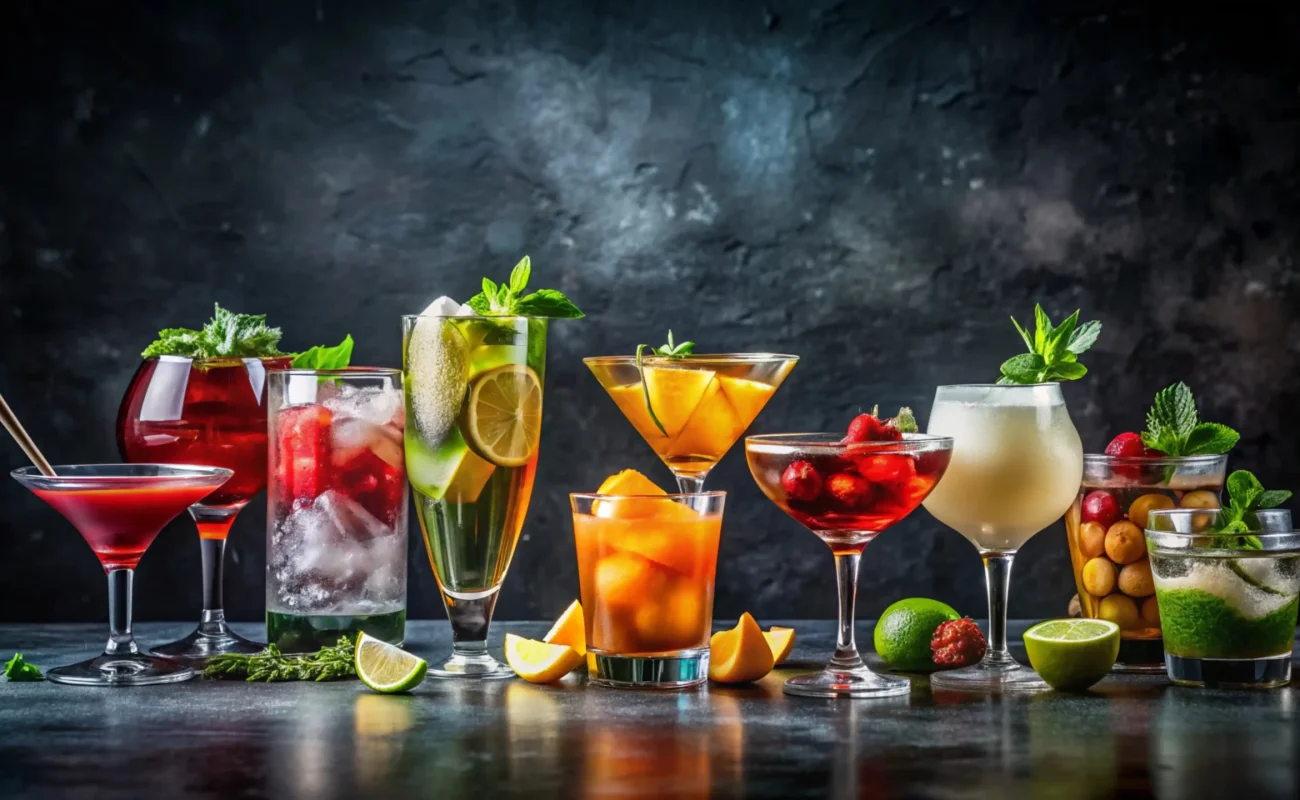
World Cocktail Day Celebrates Timeless Cocktails Modern Flair
Cocktails are more than mixed drinks, they are structured expressions of culture, technique, and time. Across decades, certain recipes have endured not because they are complex, but because they achieve balance with remarkable precision.
World Cocktail Day places these enduring creations at the centre of attention, not as relics, but as living templates. What makes them relevant today is their ability to evolve without losing identity. Modern mixology does not replace classics it reinterprets them with new ingredients, refined techniques, and thoughtful presentation.
Within this evolving landscape, both classic cocktails and modern cocktails continue to coexist, shaping how global drink culture is understood today.
Why World Cocktail Day Is Celebrated Globally
World Cocktail Day is observed on May 13, marking a pivotal moment in 1806 when the term “cocktail” was formally defined in print. That definition spirits, sugar, water, and bitters remain the structural backbone of countless recipes today.
The global relevance of this day comes from what cocktails represent:
- A shared craft language used across continents
- Recognition of bartending as a skilled profession
- A timeline of innovation from early formulations to evolving drink culture
- Cultural exchange where ingredients and techniques travel and adapt
Rather than focusing on consumption, the day highlights craftsmanship, balance, and the evolution of a discipline that blends science and creativity.
What Makes a Cocktail “Timeless”
A cocktail earns longevity through clarity and adaptability. It must be simple enough to replicate, yet complex enough to remain interesting over time.
Core characteristics of timeless cocktails:
- Balanced structure (spirit, sweetness, dilution, bitterness or acidity)
- Consistent identity across variations
- Flexibility for reinterpretation
- Strong sensory profile without excess
Modern reinterpretations often align with evolving modern mixology trends, where technique and presentation enhance not replace classical structure.
Five Timeless Cocktails Reimagined with Modern Flair
Old Fashioned (Whiskey)
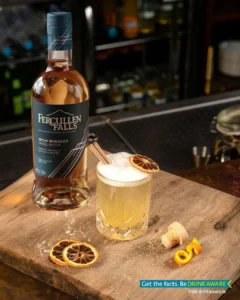
The Old Fashioned remains one of the most foundational drinks in cocktail history, closely tied to the origin of Old-Fashioned preparations. Its structure is minimal, allowing the whiskey to remain the focal point.
In modern reinterpretation, Fercullen Falls Small Batch Blended Irish Whiskey brings a smooth, layered depth that enhances the drink’s traditional profile without overpowering its simplicity.
Why it endures:
- Direct expression of spirit character
- Minimal composition with strong identity
- Deep historical relevance in best classic cocktails lists
Modern interpretations include:
- Smoked variations introducing aromatic depth
- Alternative sweeteners like maple or demerara
- Infused bitters for complexity
- Barrel-aging techniques for integration
Negroni (Gin)
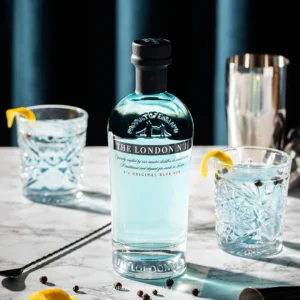
The Negroni is a structured balance of bitterness, herbal depth, and citrus-driven brightness, making it one of the most recognizable entries in global bar culture and a key feature in cocktail recipes worldwide.
Crafted with London No.1 Gin, this version highlights a refined botanical profile that enhances the drink’s classic symmetry.
Why it endures:
- Equal-parts structure ensuring balance
- Strong identity within best classic cocktails culture
- Easily adaptable without losing essence
Modern interpretations include:
- White Negroni variations
- Barrel-aging for smoother integration
- Regional gin influence enhancing botanicals
- Lower-alcohol adaptations preserving bitterness
Martini (Gin or Vodka)
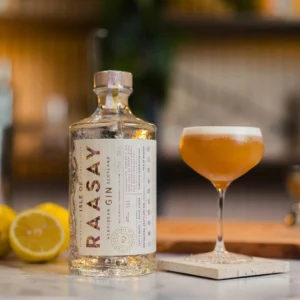
The Martini represents precision and restraint, where every detail influences outcome. It remains one of the most technique-sensitive drinks in cocktail culture.
Using Isle of Raasay Gin, the Martini gains a coastal botanical complexity that complements its minimalist structure without altering its identity.
Why it endures:
- Extreme simplicity in composition
- High customization potential
- Strong ritual-based preparation
Modern interpretations include:
- Savory umami-driven variations
- Infused brines for complexity
- Ultra-cold preparation methods
- Minimalist garnish evolution
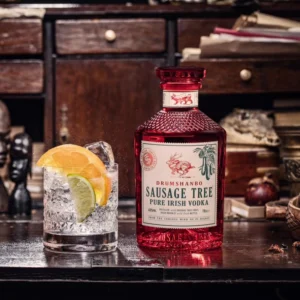
Moscow Mule (Vodka)
The Moscow Mule is defined by freshness and effervescence, combining spice, citrus, and carbonation into a widely accessible format.
With Sausage Tree Pure Irish Vodka, the drink achieves a clean, neutral base that allows ginger and citrus notes to remain prominent and structured.
Why it endures:
- Refreshing and balanced profile
- Broad global adaptability
- Simple yet expressive structure
Modern interpretations include:
- Artisanal ginger beer profiles
- Fruit-forward variations
- Herbal infusions such as basil or lemongrass
- Evolving presentation techniques
Whiskey Sour (Whiskey)
The Whiskey Sour is built on controlled contrast sweetness, acidity, and spirit working in equilibrium. It remains a core reference point in modern bartending.
Using Fercullen Falls Small Batch Blended Irish Whiskey, the cocktail gains smoothness that enhances its structural balance without overpowering its citrus foundation.
The Whiskey Sour recipe continues to be a benchmark for understanding balance in cocktail recipes.
Why it endures:
- Perfect equilibrium of core elements
- High adaptability across styles
- Strong textural flexibility
Modern interpretations include:
- Clarified versions for smooth texture
- Alternative sweeteners like honey
- Aromatic bitters for depth
- Plant-based foaming techniques
The Evolution of Cocktail Craftsmanship
Cocktail-making has shifted from simple mixing to a structured creative discipline shaped by precision and experimentation.
Key developments include:
- Integration of culinary techniques into bar practice
- Emphasis on aroma, texture, and clarity
- Use of infusion, clarification, and controlled extraction
- Focus on sustainability and ingredient efficiency
These changes show how modern mixology trends continue to redefine execution without altering foundational structures.
The Evolution of Cocktail Craftsmanship
Cocktail-making has shifted from simple mixing to a structured creative discipline shaped by precision and experimentation.
Key developments include:
- Integration of culinary techniques into bar practice
- Emphasis on aroma, texture, and clarity
- Use of infusion, clarification, and controlled extraction
- Focus on sustainability and ingredient efficiency
These changes show how modern mixology trends continue to redefine execution without altering foundational structures.
Global Influence on Cocktail Interpretation
Cocktails evolve as they travel, adapting to regional tastes and ingredients while preserving their core identity.
Regional influence patterns:
- Asia: tea-based infusions and fermentation influence
- Europe: aperitivo culture with lighter profiles
- Americas: bold, spirit-forward interpretations
This global exchange ensures that both tradition and innovation remain interconnected.
The Future of Timeless Cocktails
The future of cocktail culture is defined by refinement, not replacement. Classic structures continue to serve as frameworks for innovation.
Emerging directions:
- Sustainable ingredient sourcing
- Reduced-waste preparation methods
- Growth of low-ABV and non-alcoholic structures
- Greater integration of culinary science
These developments reinforce how classic foundations continue to guide evolution in mixology.
Conclusion
World Cocktail Day celebrates more than history it highlights the ongoing evolution of structured creativity. Timeless drinks remain relevant because they are adaptable, not static.
As appreciation for cocktail craftsmanship grows worldwide, Solis Group invites businesses to connect and explore opportunities for collaboration. Reach out to move forward with a partner focused on consistency and value.
From the Negroni cocktail to the Whiskey Sour, these drinks continue to influence how new creations are built and understood. Their strength lies in balance, and their future lies in reinterpretation without losing identity.
FAQs
What is World Cocktail Day?
World Cocktail Day marks the historical recognition of the word “cocktail” in 1806. It highlights the evolution of cocktail craft and global drink culture.
Why is World Cocktail Day important?
It celebrates the origin and development of structured mixed drinks. The day honours cocktail craftsmanship and its cultural evolution worldwide.
What defines a timeless cocktail?
A timeless cocktail maintains balance, simplicity, and strong identity over time. It remains adaptable while preserving its core structure and flavour logic.
Why is the Old Fashioned still relevant?
The Old Fashioned reflects the earliest cocktail structure with minimal ingredients. Its strength lies in highlighting the character of the base spirit.
What makes a Negroni unique?
A Negroni is defined by equal parts balance between bitter, sweet, and botanical notes. Its structure remains consistent while allowing refined modern interpretations.
How is the Martini different from other cocktails?
The Martini focuses on precision with very few ingredients and high technique sensitivity.
Small adjustments in ratio or temperature significantly change its profile.
Why is the Whiskey Sour widely used in mixology?
The Whiskey Sour demonstrates perfect balance between sweet, sour, and spirit elements.
It is often used as a base model for studying cocktail structure.
What role does modern mixology play in classic cocktails?
Modern mixology enhances classics through technique, texture, and presentation improvements. It refines structure without changing the original identity of the drink.
-
 World Cocktail Day Celebrates Timeless Cocktails Modern Flair
 -
World Whisky Day Honors Living Legacy of Whisky
-
True vodka quality comes from mastering production process
-
Each Year of Cognac Aging Brings Flavour Dimensions
-
Sparkling Wine Types from Cava Precision to Prosecco
-
Whiskey Secretly Borrows Colour from Oak Barrels
-
World Malbec Day Honors Malbec Depth Over Reds
-
Amaretto Heritage Shines on National Amaretto Day
-
True Essence of Champagne Comes from Its Grape Varieties
-
Gin and Tonic Offers Superior Harmony than Cocktails
-
Christmas Cocktails You Can Make at Home
-
Sound Of Christmas Wine And Cheese?
-
A Fresh Take on New Year’s Resolutions
-
The Art of Smelling Wine Like a True Connoisseur
-
Looking for the Best Wine? Here's Where to Find It!
-
Read This Before You Buy Your Dad a Whisky.
-
The Art of Pairing Wine with Indian Food
-
Whiskey on the Rocks — Cool Choice or Flavor Mistake?
-
The Ingredients & Botanicals That Define Gin
-
Seven Days of Love — Wine for Valentine’s Week







-
World Whisky Day Honors Living Legacy of Whisky
-
True vodka quality comes from mastering production process
-
Sparkling Wine Types from Cava Precision to Prosecco
-
Whiskey Secretly Borrows Colour from Oak Barrels
-
World Malbec Day Honors Malbec Depth Over Reds
-
Gin and Tonic Offers Superior Harmony than Cocktails
-
Spanish White Wine Varieties from Coast to Mountains
-
Reading Red Wine Tasting by Aroma Flavor and Finish
-
Battle of Purity vs Balance in Single Malt and Blended Whisky
-
Anatomy of Vodka Texture Driven by Its Base Ingredients