
World Whisky Day Honors Living Legacy of Whisky
Every year, World Whisky Day arrives as a global moment of reflection, curiosity, and shared appreciation. While it is often seen through the lens of celebration, its deeper value lies far beyond surface impressions.
Whisky is not simply a drink it is a living archive of geography, craft, patience, and human expression. This deeper whisky culture represents centuries of evolving traditions, shaped by land, climate, and people. It becomes an invitation to understand those layers rather than rush past them.
Origins and Purpose of World Whisky Day
World Whisky Day was introduced in 2012 with a simple but meaningful goal: make whisky appreciation more open, educational, and globally connected.
It was never intended to be limited to experts or collectors. Instead, it encourages curiosity and cultural exchange.
Core intentions include:
- Encouraging learning over consumption
- Making whisky accessible to all knowledge levels
- Highlighting cultural and regional diversity
- Encouraging storytelling around craft traditions
Over time, it has grown into a global cultural moment that reflects how people engage more thoughtfully with heritage spirits.
Understanding the Spirit
Whisky is a distilled spirit made from grain, water, yeast, and time. Yet its identity is shaped far more by process than ingredients alone.
The whisky production process is a layered journey where science and craftsmanship meet:
Key stages include:
- Malting and grain preparation
- Mashing to extract fermentable sugars
- Fermentation to develop alcohol
- Distillation for purity and character
- Maturation in wooden barrels
Each step influences the final profile, but time remains the most defining element. The slow transformation known as the whisky aging process allows depth, complexity, and character to emerge gradually.
A Brief History of Whisky
Whisky’s origins trace back centuries to early distillation practices in Ireland and Scotland. Monastic communities are often credited with refining early techniques, creating what would later become modern whisky traditions.
The name itself originates from a Gaelic expression meaning “water of life,” reflecting its early cultural importance.
As trade and migration expanded:
- Techniques travelled across continents
- Local grains reshaped flavour profiles
- Industrial advancements standardized production
Despite disruptions in history, whisky has continuously evolved, adapting to new regions and cultural identities.
Types of Whisky Explained
The world of whisky is diverse, shaped by tradition and geography. Understanding whisky types helps reveal how varied this spirit truly is.
Scotch Whisky
Scotland’s whisky heritage is deeply connected to its land, especially across distinct Scotch whisky regions.
- Known for regional variation in flavour
- Can range from light to heavily peated styles
- Strongly regulated production standards
Irish Whiskey
Rooted in long-standing Irish whiskey tradition, this style is known for its smooth and balanced profile.
- Often triple-distilled
- Generally lighter in character
Bourbon
A distinctly American style shaped by corn-based grain bills.
- Sweet and rich flavour profile
- Aged in new charred oak barrels
Rye Whiskey
Known for its spicier and sharper character, forming an interesting contrast in bourbon vs rye whiskey discussions.
- Higher rye grain content
- Bold and dry finish
Japanese Whisky
Inspired by Scottish techniques, focusing on precision and balance.
Emerging Global Styles
New whisky-producing regions continue to expand the category worldwide.
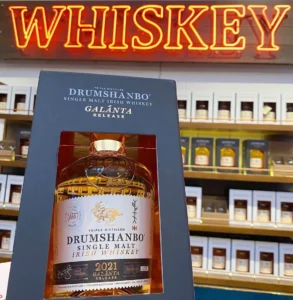
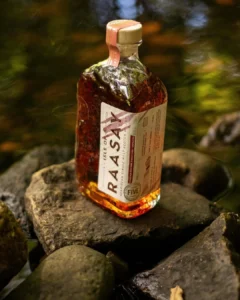
In this evolving landscape, expressions like Drumshanbo Galanta Single Malt Irish Whiskey reflect modern interpretations of Irish craftsmanship, while Isle of Raasay Single Malt Scotch Whisky represents contemporary Scottish island-style innovation.
Comparing Whisky Regions Around the World
Whisky is deeply shaped by environment. Climate, water, and tradition all influence character.
Key differences include:
- Climate impact:
Warmer regions accelerate maturation, while cooler climates slow aging - Water composition:
Minerals subtly influence texture and mouthfeel - Cultural influence:
Local traditions shape distillation and aging choices
Regional contrasts:
- Scotland produces deeply structured, varied profiles
- Ireland often emphasizes smoothness and approachability
- Japan focuses on precision and refinement
- Emerging regions bring experimental approaches
Each region contributes to a global mosaic of flavour and tradition.
Whisky as Cultural Heritage
Whisky is not just produced it is inherited. It carries identity, memory, and shared meaning across generations.
Its cultural significance includes:
- Symbol of hospitality and gathering
- Expression of regional pride
- Preservation of ancestral knowledge
This cultural depth is a central part of whisky culture, where storytelling is as important as technique.
The Craft Behind the Bottle
Behind every whisky lies a network of skilled craftsmanship and long-term vision.
Key contributors:
- Distillers managing production precision
- Blenders balancing consistency and complexity
- Cooperages crafting and maintaining barrels
The rise of small batch whisky production has further highlighted attention to detail and limited-scale craftsmanship.
Barrels, in particular, shape identity through:
- Wood type selection
- Previous barrel usage
- Toasting and charring levels
In some modern interpretations, Drumshanbo Galanta Single Malt Irish Whiskey reflects this craft-driven approach, while Isle of Raasay Single Malt Scotch Whisky demonstrates how small-scale distilleries reinterpret regional identity.
Rethinking World Whisky Day with Mindful Appreciation
Understanding how to celebrate World Whisky Day goes beyond ritual or routine. It becomes an opportunity for reflection and learning.
Meaningful approaches include:
- Exploring whisky origins and production styles
- Learning about regional differences
- Understanding aroma and texture without haste
- Engaging with stories behind distilleries
The focus is on awareness rather than consumption, encouraging deeper appreciation of craftsmanship.
The Global Whisky Renaissance
The whisky world is experiencing a creative expansion.
Key trends include:
- Growth of independent distilleries
- Experimentation with maturation techniques
- Rising global production beyond traditional regions
Whisky tourism and education are also becoming more prominent, offering insight into production environments and heritage practices.
This renaissance highlights a broader shift toward authenticity and transparency in craft spirits.
Whisky as a Metaphor for Time and Patience
Whisky embodies patience in its purest form.
It cannot be rushed or replicated instantly. Its identity forms slowly, shaped by time, environment, and material interaction.
This makes it a powerful metaphor for life:
- Growth requires time
- Complexity develops gradually
- Value often comes through patience
Conclusion
World Whisky Day is not defined by celebration alone it is defined by understanding.
It reflects:
- Craft and heritage
- Global diversity
- Human creativity
- Evolving traditions
At its heart, it invites reflection on how time, place, and people shape something far greater than its physical form.
As global whisky appreciation continues to expand, Solis Group supports industry conversations rooted in knowledge and trust. Reach out to connect and explore aligned opportunities.
The real meaning lies not in what is poured, but in what is understood.
FAQs
What is World Whisky Day?
It is a global observance dedicated to appreciating whisky as a cultural and craft-based spirit. The focus is on learning, heritage, and shared understanding rather than consumption.
Why is World Whisky Day celebrated?
It celebrates whisky as a product of history, geography, and craftsmanship. The aim is to encourage awareness of its cultural and production diversity.
What makes whisky culturally significant?
Whisky reflects regional identity, traditions, and long-standing distillation practices. It often represents heritage passed through generations of craftsmanship.
What is the importance of whisky aging?
Aging allows whisky to interact with wood, developing depth, aroma, and structure over time. This slow transformation is essential to its identity.
What are main whisky types?
Major categories include Scotch, Irish whiskey, bourbon, rye, and Japanese whisky. Each type differs based on grain, region, and production style.
How do whisky regions differ?
Regions differ due to climate, water sources, and traditional methods. These factors directly influence flavour, texture, and maturation speed.
What defines Scotch whisky regions?
Scotch whisky regions are known for distinct flavour profiles shaped by geography, such as smoky coastal styles or lighter inland expressions. Each region reflects local conditions and tradition.
What is Irish whiskey tradition known for?
Irish whiskey tradition is known for smoothness and triple distillation practices. It emphasizes balance and approachability in style.
-
 Rich Layered Taste Profile Dominates Blanc de Noirs
 -
Vodka Taste Differ Even When Recipes Match
-
Craft Beer and Regular Beer gap Starts with Brewing Intent
-
Rare Cellars Hide Grande Champagne Cognac Stories
-
Light and Full-Bodied Sparkling Wines Bring Two Taste Layers
-
Maceration Time impacts Flavour in Pink Gin Styles
-
Rare Vintage Port Wine Peak Expression of Douro Vineyards
-
Vodka and Wine showed Two Worlds of Aroma
-
Whiskey Colour Spectrum from Pale Gold to Ebony Depths
-
Gewurztraminer White Wine Reveals Floral Spice Magic






-
Christmas Cocktails You Can Make at Home
-
Sound Of Christmas Wine And Cheese?
-
A Fresh Take on New Year’s Resolutions
-
The Art of Smelling Wine Like a True Connoisseur
-
Looking for the Best Wine? Here's Where to Find It!
-
Read This Before You Buy Your Dad a Whisky.
-
Whiskey on the Rocks — Cool Choice or Flavor Mistake?
-
The Art of Pairing Wine with Indian Food
-
The Ingredients & Botanicals That Define Gin
-
Seven Days of Love — Wine for Valentine’s Week







-
Vodka Taste Differ Even When Recipes Match
-
Light and Full-Bodied Sparkling Wines Bring Two Taste Layers
-
Maceration Time impacts Flavour in Pink Gin Styles
-
Rare Vintage Port Wine Peak Expression of Douro Vineyards
-
Vodka and Wine showed Two Worlds of Aroma
-
Whiskey Colour Spectrum from Pale Gold to Ebony Depths
-
Gewurztraminer White Wine Reveals Floral Spice Magic
-
Pinot Noir and Merlot aroma notes mapped to clear flavours
-
Vermouth styles broken down by taste impact not wine Language
-
Gin ABV Clarity Leads to More Confident Gin Selection