
Why Does White Wine Warn You Before You Betray Traditions
Ever get the feeling that white wine is subtly warning you before you step off the beaten path? It’s not just the drink speaking—it’s the centuries of tradition, expert craftsmanship, and intricate Flavors that demand attention. If white wine could talk, it would likely raise an eyebrow and say, “Are you sure that’s the right choice?”

A Toast to Tradition: The Charm of White Wine
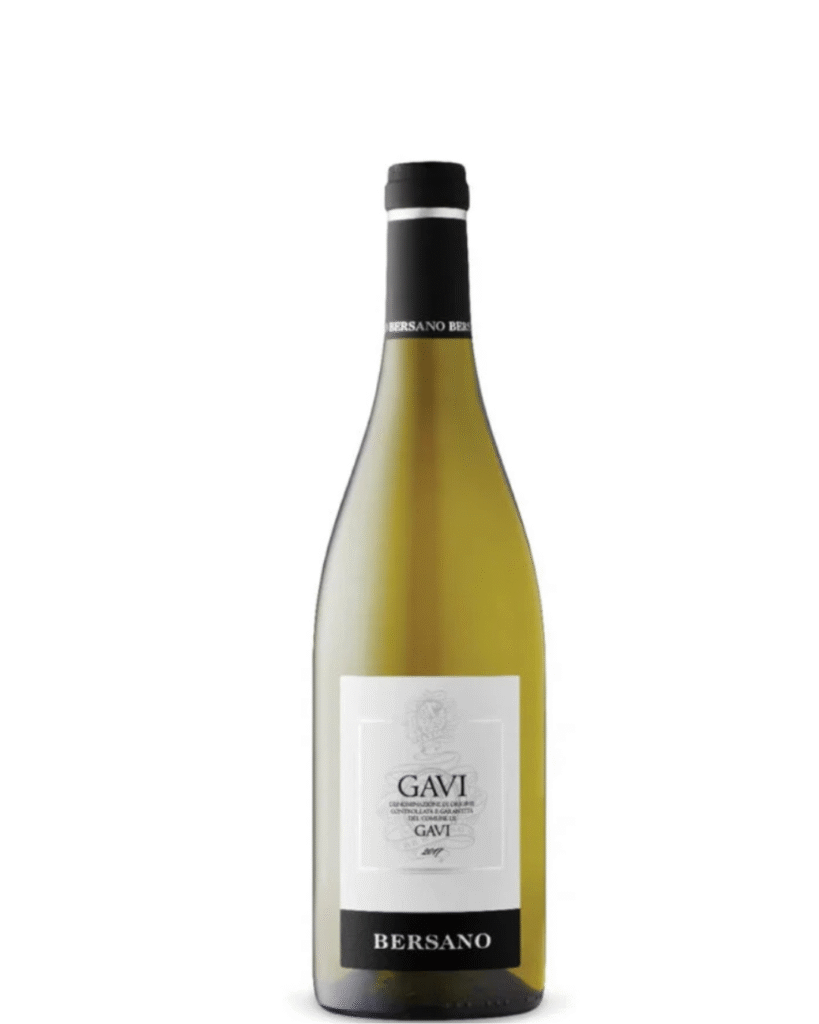
White wine isn’t just a drink; it’s an experience, a tradition, and a perfect representation of centuries of winemaking wisdom. It has been around for thousands of years, gracing the tables of ancient civilizations, who seemed to understand that every glass held a story waiting to be told. And yet, every time you reach for that glass of Bersano Gavi Di Gavi White Wine or Ilauri Tavo Pinot Grigio Doc White Wine, you’re not just drinking a liquid; you’re holding onto a piece of history. A history that, like your grandma’s secret recipes, should be followed with care—or else risk a betrayal of tradition.
A Little Bit of White Wine History, Please!
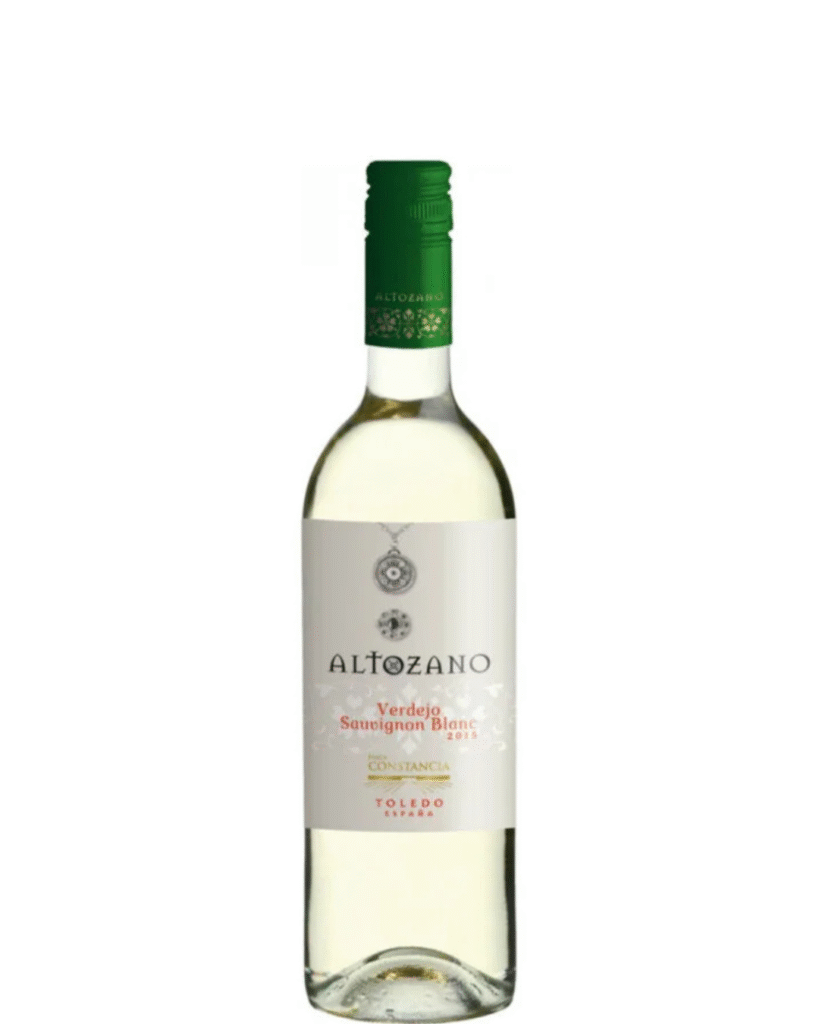
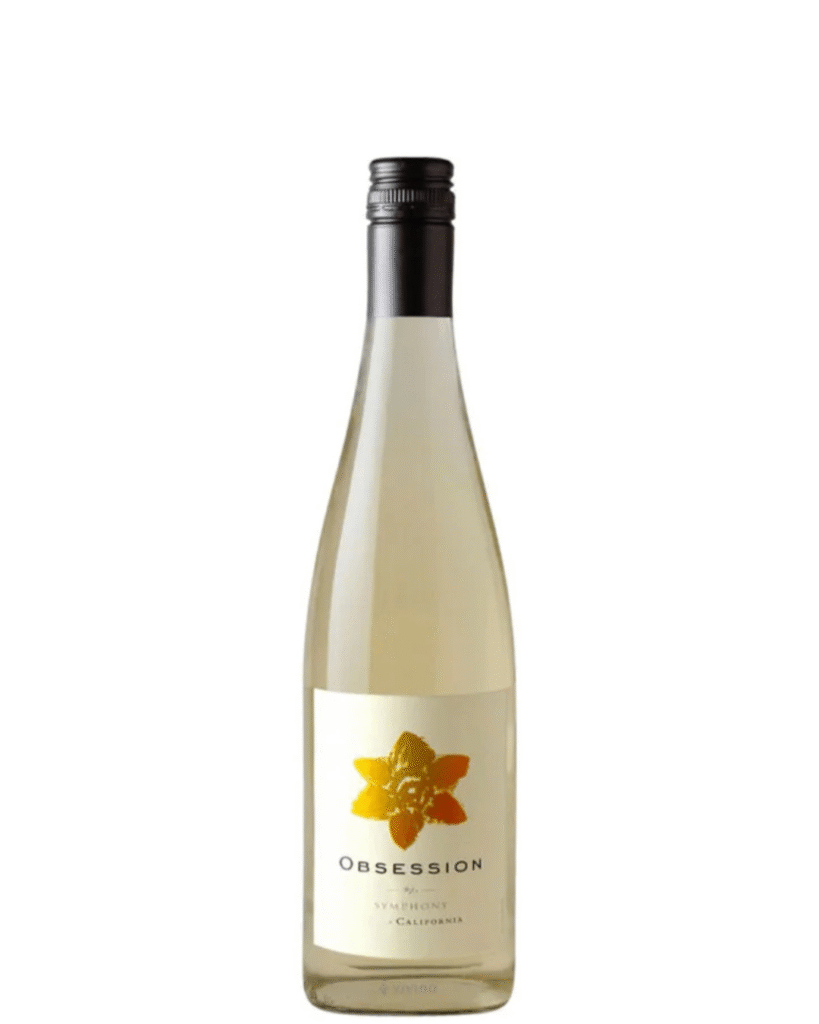
The origins of white wine date back to ancient times—around 6000 BC, in the region we now call Georgia. Back then, wine was an essential part of rituals and celebrations. But white wine? That’s a particular breed. It all began with the Greeks and Romans, who were responsible for introducing winemaking techniques to the rest of Europe. Over time, white wine evolved from the early days of light, grape-based beverages to the refined varieties we know and love today, such as Altozano Verdejo Sauvignon Blanc White Wine and Obsession Symphony White Wine.
In Europe, the method of making white wine was honed by the French, Italians, and Germans. But it was the renowned wine-producing regions in France, like Burgundy and Bordeaux, that began shaping the white wines we drink today. From Chardonnay to Sauvignon Blanc, each region created a signature style—introducing the world to a variety of tastes, textures, and aromas.
Fact: White wine can come from red grapes—That’s right! The colour comes from the grape skins, so white wine can be made from red grapes as long as the skins are removed during fermentation.
What Gives White Wine Its Colour?
he magic of white wine is not just in its taste but in its colour, too. You know, when you see that pale golden hue or light straw tint, you instantly know you’re in for something crisp and refreshing.
White wine is made primarily from green grapes, though some white wines can come from red grapes as well. The key to its colour lies in the winemaking process. Unlike red wines, which are fermented with their skins, white wine grapes are pressed quickly to avoid the extraction of colour from the skins. This gives white wine its clear, pale appearance, which reflects its light and refreshing nature.
What’s the Price of Perfection? White Wine Price Trends
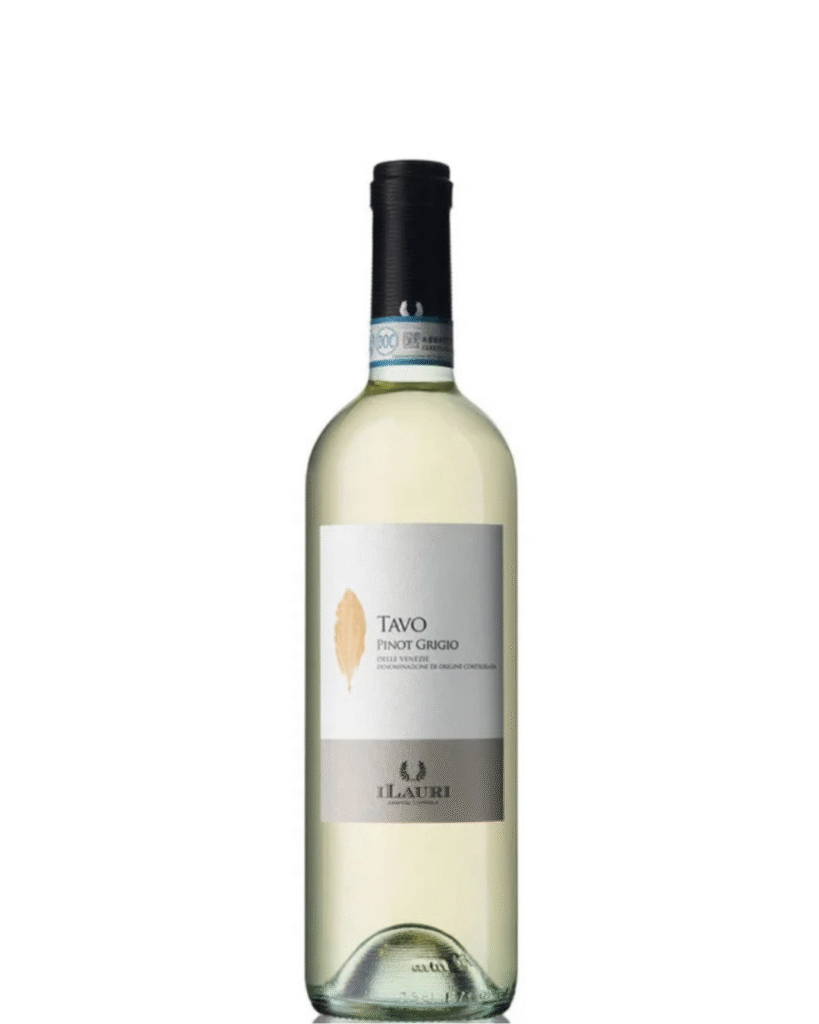
Everyone loves a good deal, and fortunately, there are white wine brands to suit every budget. Whether you’re looking for a more affordable bottle like the Ilauri Tavo Pinot Grigio Doc White Wine or splurging on something premium for a special occasion, there’s something for everyone. The key is to know what you’re after—whether it’s a dry, crisp sip or something a little more indulgent.
White Wine Varieties: The Selection of the Gods
When you step into a wine shop or browse a white wine delivery service, you’re met with an overwhelming number of options. But how do you pick the best white wine? Well, let’s start with the white wine varieties that make the difference.
- Chardonnay: Known for its full body, this variety can be fruity or oaky, with Flavors ranging from citrus to tropical fruits. It’s the most popular white wine in the world.
- Sauvignon Blanc: Crisp and fresh, with vibrant acidity and notes of green apple, lime, and sometimes gooseberry. Pair it with a salad or seafood for a delightful experience.
- Pinot Grigio: Light and refreshing, this one’s all about subtle fruit notes and a crisp finish. It pairs wonderfully with light pasta dishes or seafood, making it an excellent pick for any summer gathering.
- Riesling: Depending on the style, Riesling can range from dry to sweet, but it’s always aromatic with citrus, peach, and floral notes.
Bersano Gavi Di Gavi White Wine, for instance, is a beautiful Italian expression of Gavi—a dry white wine that embodies the crispness of the region’s terroir. It’s an excellent choice for food pairings like fresh cheeses or light pasta dishes.
Fact: White wine is often higher in acidity than red wine, making it the perfect partner for lighter dishes like seafood and salads, as the acidity enhances the Flavors without overpowering them.
White Wine vs. Red Wine: A Quick Comparison
Choosing between white wine and red wine depends on your taste and the occasion. White wine is typically lighter, crisper, and more refreshing, perfect for seafood, salads, or poultry. It’s ideal for those who enjoy a clean, fresh taste, with varieties like Bersano Gavi Di Gavi White Wine or Altozano Verdejo Sauvignon Blanc White Wine.
Red wine, on the other hand, is richer, bolder, and pairs best with heavier dishes like steak or pasta with rich sauces. Both wines have their place, so why not enjoy the best of both worlds depending on the meal and mood?
How to Pair White Wine Without Breaking Tradition
White wine is a chameleon in the world of pairings. It can be delicate and elegant, spicy and bold, or even sweet and full-bodied. The best way to break the white wine tradition? Serve it with the wrong food. Here are a few tips to keep you on the right track:
- Dry White Wine: Like Bersano Gavi Di Gavi White Wine and Altozano Verdejo Sauvignon Blanc White Wine, these pair wonderfully with fish, shellfish, or light salads.
- Sweet White Wine: For sweeter whites, think Obsession Symphony White Wine. These go well with spicy dishes, blue cheeses, and even dessert. You’ll want to keep the sweetness in balance!
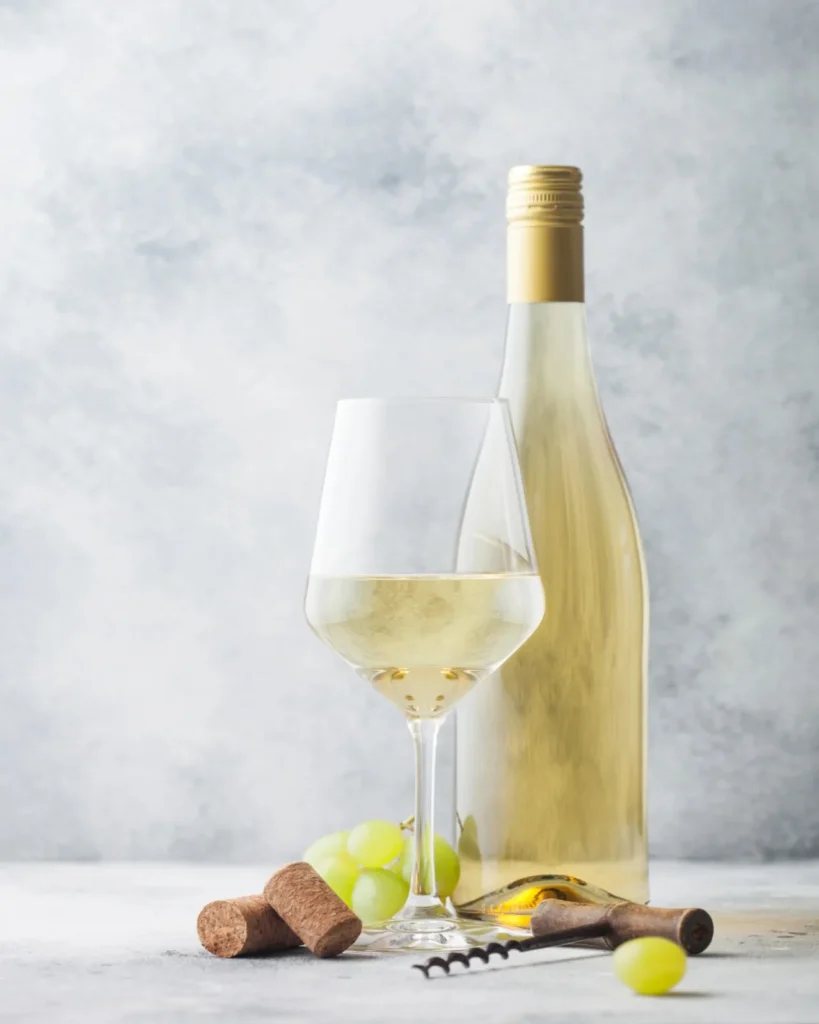
And don’t forget about white wine cellars. Storing your white wine in the right conditions (cool and dark) will preserve its freshness, so it’s always ready to shine when the time comes.
Conclusion
White wine isn’t just a beverage; it’s a gateway to tradition, flavor, and history. Whether you’re sipping on a glass of Altozano Verdejo Sauvignon Blanc White Wine or enjoying the crisp notes of Ilauri Tavo Pinot Grigio Doc White Wine, remember that the key to enjoying white wine lies in respecting its origins and the craftsmanship behind every bottle. And the next time you stray from tradition—whether with pairings or serving styles—remember, white wine will always be there to guide you back to the right path. Cheers to preserving the heritage of white wine and making each sip a moment to remember!
FAQs
What is the best white wine?
The answer depends on your taste preferences! Some favorites include Chardonnay, Sauvignon Blanc, and Pinot Grigio. But for something unique, try Bersano Gavi Di Gavi White Wine.
How should I store my white wine?
Always store white wine in a cool, dark place. A white wine cellar is ideal, but a regular fridge works too if you’re planning to drink it soon.
What food pairs well with white wine?
It depends on the variety! Dry white wine like Sauvignon Blanc pairs well with seafood, while sweet white wine complements desserts and spicy dishes.
How do I serve white wine?
White wine is best served chilled, around 45-50°F (7-10°C). It brings out the wine’s crispness and refreshes the palate.
What is the difference between dry and sweet white wine?
Dry white wines have little to no residual sugar, while sweet white wines have higher sugar content, making them rich and fruity.
Is white wine healthier than red wine?
White wine tends to have fewer calories and less alcohol than red wine, but both offer potential health benefits when consumed in moderation.
Can white wine be aged?
Yes, some white wines, like Chardonnay and Riesling, can age beautifully, developing more complex Flavors over time.
Why does my white wine taste bitter?
The bitterness could be due to over-chilling, too much acidity, or a wine that’s past its prime. Try serving it at the right temperature for a better experience!
-
 Understanding Pink Gin Texture with Different Temperatures
 -
International Vodka Day Works Beyond Party Stereotypes
-
French Vermouth Styles Hides Herbs in Silky Wine Base
-
Oak Aged Red Wine delivers smoky warm finish
-
Rich Layered Taste Profile Dominates Blanc de Noirs
-
Vodka Taste Differ Even When Recipes Match
-
Craft Beer and Regular Beer gap Starts with Brewing Intent
-
Rare Cellars Hide Grande Champagne Cognac Stories
-
Light and Full-Bodied Sparkling Wines Bring Two Taste Layers
-
Maceration Time impacts Flavour in Pink Gin Styles





-
Christmas Cocktails You Can Make at Home
-
Sound Of Christmas Wine And Cheese?
-
A Fresh Take on New Year’s Resolutions
-
The Art of Smelling Wine Like a True Connoisseur
-
Looking for the Best Wine? Here's Where to Find It!
-
Whiskey on the Rocks — Cool Choice or Flavor Mistake?
-
Read This Before You Buy Your Dad a Whisky.
-
The Art of Pairing Wine with Indian Food
-
The Ingredients & Botanicals That Define Gin
-
Seven Days of Love — Wine for Valentine’s Week






-
Understanding Pink Gin Texture with Different Temperatures
-
International Vodka Day Works Beyond Party Stereotypes
-
French Vermouth Styles Hides Herbs in Silky Wine Base
-
Oak Aged Red Wine delivers smoky warm finish
-
Vodka Taste Differ Even When Recipes Match
-
Light and Full-Bodied Sparkling Wines Bring Two Taste Layers
-
Maceration Time impacts Flavour in Pink Gin Styles
-
Rare Vintage Port Wine Peak Expression of Douro Vineyards
-
Vodka and Wine showed Two Worlds of Aroma
-
Whiskey Colour Spectrum from Pale Gold to Ebony Depths