Reading Red Wine Tasting Notes by Aroma Flavor and Finish
Wine tasting notes are often misunderstood as complicated or overly refined language. They are simply a structured way to describe what you see, smell, and taste in a wine forming the foundation of any wine tasting guide. Rather than being about sounding sophisticated, tasting notes are about building awareness.
Every glass of red wine carries subtle clues about where it was grown and how it evolved over time. These clues appear naturally in wine aroma and taste, texture, and finish. When you notice these patterns, wine becomes less about guessing and more about understanding.
What Makes Them Clear and Useful
A useful tasting note is not defined by complexity but by clarity. The goal is to communicate your sensory experience in a way that is both accurate and relatable.
Strong wine tasting notes typically include four essential elements:
Aroma: What you smell first, ranging from fruits to earthy or spicy tones
Palate: The overall taste and mouthfeel
Structure: Acidity, tannins, and body that shape the experience
Finish: The impression that remains after swallowing
Clarity matters more than creativity. Saying “ripe blackberry with firm tannins” is more meaningful than vague or overly decorative descriptions. Over time, consistent observation leads to more confident expression and helps in how to identify Flavors in wine tasting.
How to Read and Interpret Descriptors
Wine tasting notes often use recurring descriptors that may seem abstract at first. However, these words usually point to familiar sensory references.
Fruit notes: Red fruits (cherry, raspberry) often indicate lighter styles, while black fruits (blackcurrant, blackberry) suggest fuller-bodied wines
Earthy notes: Mushroom, forest floor, or leather typically appear in more mature wines
Spice and oak: Vanilla, clove, or smoke often reflect aging techniques
Structure-related terms are equally important:
High acidity creates a fresh, sharp impression
Tannins contribute to dryness and texture
Body reflects weight, from light to full
Understanding these wine flavour notes allows you to decode this rather than simply reading them.
Wine Tasting Notes and Vineyard Influence on Flavour
The vineyard plays a foundational role in shaping wine tasting notes. This is essentially how terroir affects wine taste, influencing every layer of perception.
Soil: Clay soils often produce softer textures, while gravel contributes to structure
Climate: Cooler climates emphasize acidity and fresh fruit notes, while warmer climates bring riper, richer Flavors
Altitude: Higher elevations can enhance complexity and balance
These factors explain why the same red wine grape variety can produce very different tasting notes depending on where it is grown. Recognizing this helps connect tasting notes to their origin.
Wine Tasting Notes and Vintage Impact Over Time
Vintage refers to the specific year the grapes were harvested, and it plays a key role in how they develop.
Younger wines often display bright fruit, sharper acidity, and more noticeable tannins
Aged wines evolve into deeper, more layered profiles with earthy, dried, or Savory notes
Over time, structural elements integrate, and the wine becomes more harmonious. Tasting notes reflect this transition clearly, shifting from vibrant and direct to complex and nuanced.
Important Red Wine Varieties
Cabernet Sauvignon Wine
Aroma: Blackcurrant, cedar, subtle tobacco
Palate: Full-bodied with firm tannins
Finish: Long and structured
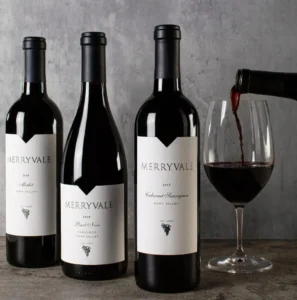
These are classic Cabernet Sauvignon tasting notes often associated with structured red wines. A wine like Merryvale Napa Valley Cabernet Sauvignon Red Wine perfectly illustrates this red wine variety’s bold fruit and firm texture.
Vintage Expression: Younger wines highlight bold fruit and strong structure, while aged versions reveal leather, spice, and smoother texture.
Pinot Noir Wine
Aroma: Red cherry, raspberry, floral hints
Palate: Light-bodied with high acidity
Finish: Smooth and elegant
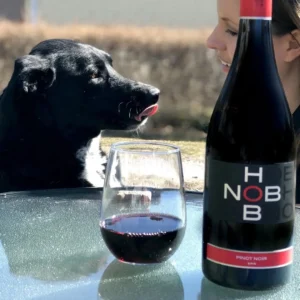
Vintage Expression: These reflect typical Pinot Noir tasting notes known for finesse and subtlety. Hobnob Pinot Noir Red Wine provides a practical example of this variety’s elegance and vibrant red fruit profile.
Syrah Wine
Aroma: Blackberry, black pepper, spice
Palate: Medium to full body with noticeable tannins
Finish: Warm and lingering
Vintage Expression: Youthful wines are bold and spicy, while maturity brings smoky, savoury depth. A notable example is Ironstone Petite Sirah Red Wine, which demonstrates the layered spice and structure typical of this grape.
Merlot Wine
Aroma: Plum, black cherry, chocolate
Palate: Medium-bodied with soft tannins
Finish: Round and smooth
This aligns with a classic Merlot tasting profile known for softness and approachability. The Luz Maria Merlot Red Wine embodies these traits, with mellow tannins and rich fruit.
Vintage Expression: Younger profiles are fruit-driven and approachable, while aging introduces cocoa and earthy complexity.
Sangiovese Wine
Aroma: Sour cherry, dried herbs, spice
Palate: Medium-bodied with high acidity
Finish: Savory and persistent
Vintage Expression: Early stages show vibrant acidity, while aging softens structure and adds layered depth.
How to Write Your Own Clearly
Writing tasting notes becomes easier with a simple, repeatable approach:
Observe aromas before tasting
Identify main flavour categories rather than exact matches
Assess structure—acidity, tannins, and body
Notice the finish and how long it lasts
Summarize the overall impression
This structured method supports how to identify Flavors in wine tasting more effectively.
Consistency matters more than perfection. Over time, your descriptions will naturally become more precise.
Common Mistakes to Avoid
Using overly complex or borrowed language
Ignoring structure and focusing only on flavour
Assuming all wines of a type taste the same
Letting expectations influence perception
Avoiding these common wine tasting mistakes improves both accuracy and confidence.
Clear and honest observation always leads to better tasting notes than memorized descriptions.
Improving Your Sensory Awareness
Practice with different styles and regions
Compare wines side by side
Revisit the same wine over time to notice changes
Build a personal vocabulary based on familiar experiences
Developing tasting skills is a gradual process rooted in attention and repetition.
Conclusion
Wine tasting notes are more than descriptive tools they are a way to understand how environment and time shape what you experience. Each note you write captures a moment where vineyard conditions and vintage evolution come together.
Explore curated wines and spirits from Solis group that complement your business vision. Connect with us to explore new avenues for growth and collaboration.
As your ability to observe improves, tasting notes become less about labelling Flavors and more about recognizing identity. Over time, this transforms wine from something you simply taste into something you can interpret with clarity and confidence.
FAQs
What are wine tasting notes?
Wine tasting notes are structured observations of a wine’s aroma, flavour, texture, and finish. They capture how vineyard and vintage influence the wine’s identity.
How do vineyards affect wine tasting notes?
Soil, climate, and altitude shape a wine’s structure, fruit expression, and aromatic profile. Tasting notes reflect these subtle terroir-driven differences.
Why is vintage important in tasting notes?
Vintage impacts acidity, tannin structure, and flavour concentration. Wine tasting notes reveal how each year’s climate shapes taste and evolution.
What does “structure” mean in wine tasting notes?
Structure refers to tannins, acidity, and body that give a wine balance and mouthfeel. It determines how Flavors unfold across the palate.
How can I identify Flavors in wine tasting?
Focus on sequential observation: smell aroma, taste fruit and spice, note texture and finish. This method links descriptors directly to vineyard and vintage traits.
What is the difference between young and aged wine notes?
Young wines show vibrant fruit, sharper tannins, and higher acidity. Aged wines develop layered earthy, dried, or Savory characteristics in tasting notes.
How do Cabernet Sauvignon tasting notes differ from Pinot Noir?
Cabernet Sauvignon notes emphasize bold black fruits, firm tannins, and structure. Pinot Noir notes highlight delicate red fruits, floral aromas, and silky texture.
What common wine tasting mistakes should I avoid?
Avoid copying jargon, ignoring structure, or assuming grapes always taste the same. Accurate notes require objective observation of aroma, palate, and finish.