

Sparkling Wine Types from Cava Precision to Prosecco
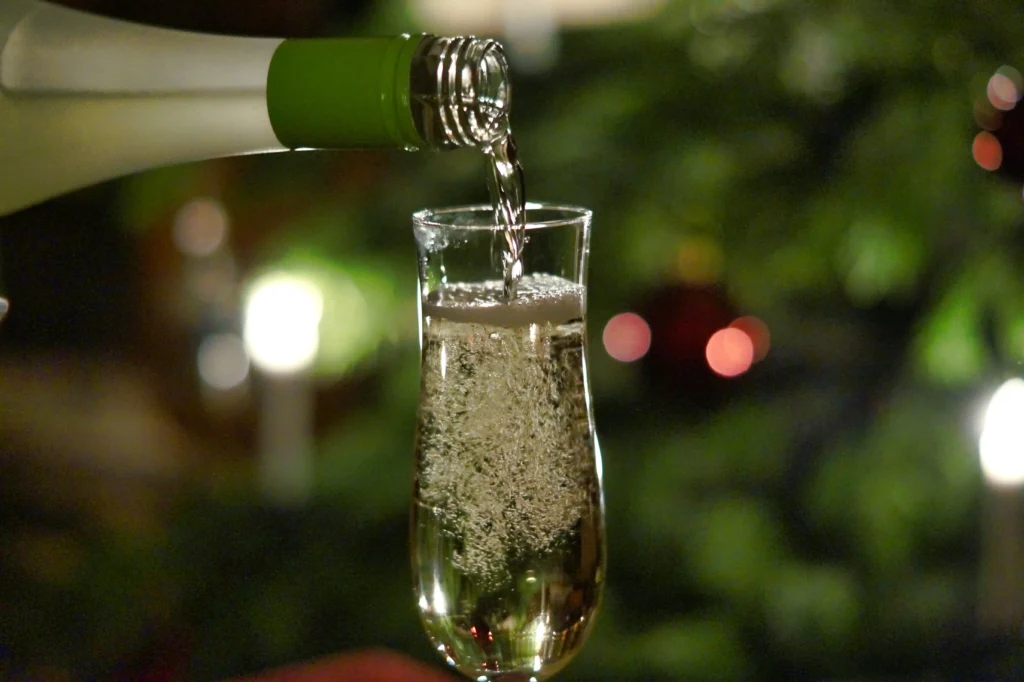
Sparkling wine is defined by the presence of carbon dioxide trapped within the liquid, creating its signature bubbles. What makes sparkling wine types truly distinct is not just the presence of bubbles, but how those bubbles are formed, preserved, and expressed in the final wine.
The process of secondary fermentation plays a major role here. When fermentation happens a second time, carbon dioxide becomes naturally integrated into the wine, creating texture and structure that cannot be replicated through artificial carbonation.
Pressure levels also influence the experience. Higher pressure leads to finer, more persistent bubbles, while lower pressure produces a softer and more relaxed sensation in the glass. This variation significantly impacts overall sparkling wine taste, even when ingredients appear similar on paper.
Sweetness levels further diversify sparkling wine types. From very dry expressions to noticeably sweet styles, balance is shaped not only by sugar but also by acidity and fruit intensity.
Sparkling Wine Types and Production Methods Explained
Understanding sparkling wine types requires understanding how they are made. Production method often defines style more than region or grape variety.
Traditional Method (Bottle Fermentation)
This method involves secondary fermentation inside the bottle. Over time, wines develop complexity through contact with yeast, creating notes of toast, brioche, and nuttiness. This method is widely associated with structured sparkling wines.
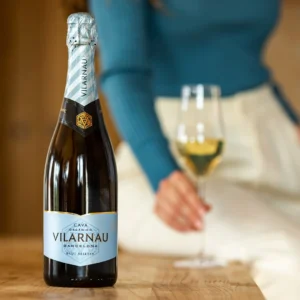
A classic example of this traditional approach can be found in Vilarnau Cava Brut, which reflects the depth and refinement associated with bottle fermentation.
Tank Method (Charmat Method)
In this method, fermentation occurs in large pressurized tanks. This preserves fresh fruit characteristics and highlights aromatic intensity rather than yeast-driven complexity. It is commonly used for lighter, fruit-forward sparkling wines.
Ancestral Method (Pét-Nat)
This approach completes fermentation in the bottle without full clarification or stabilization. The result is often rustic, lively, and less predictable in character, appealing to those exploring more natural expressions of wine.

Global Sparkling Wine Types and Regional Influence
Sparkling wines are deeply shaped by geography, climate, and tradition. Different sparkling wine regions produce distinctly different styles, even when using similar methods.
France is known for refined and structured expressions, especially within its traditional sparkling production regions. Italy focuses more on aromatic and accessible styles. Spain is recognized for value-driven yet structured wines, while newer wine-producing regions experiment freely with style and method.
This global diversity forms the foundation of modern sparkling wine understanding.
Cava Sparkling Wine from Spain
Cava originates primarily from Catalonia and follows the traditional method of bottle fermentation. Unlike many sparkling wines that rely on international grape varieties, Cava is built on local grapes that define its identity. These grapes contribute citrus freshness, herbal undertones, and a subtle mineral backbone.
The resulting style is generally dry, structured, and layered. Common tasting notes include green apple, citrus peel, almond, and light toast. The bubbles tend to be fine and persistent, giving the wine a refined texture.
Cava is also classified by aging, with longer aging periods resulting in greater complexity and depth.
A well-crafted example of this category is Vilarnau Cava Brut, which reflects how traditional method winemaking expresses both freshness and subtle maturity within a single style.
Prosecco Sparkling Wine from Italy
Prosecco comes from northeastern Italy and is designed around freshness, fragrance, and easy expression.
It is made primarily from the Glera grape, which produces wines that are light, aromatic, and fruit-forward. Unlike more structured sparkling wines, Prosecco focuses on immediate accessibility rather than extended complexity.
The tank method used in its production preserves primary fruit character. This results in aromas of pear, apple, melon, and white flowers.
The prosecco flavour profile is soft, lively, and approachable, with bubbles that feel gentle rather than intense. This makes it distinct among sparkling wine types, especially when compared to traditional method styles.
Sparkling Wine Types Comparison Cava vs Prosecco
The contrast between Cava and Prosecco highlights the diversity within sparkling wine types.
Production Differences
- Cava uses bottle fermentation, building complexity over time
- Prosecco uses tank fermentation, preserving fresh fruit character
Taste and Texture
- Cava is structured, dry, and layered
- Prosecco is light, fruity, and aromatic
Bubble Profile
- Cava bubbles are fine and persistent
- Prosecco bubbles are softer and more immediate
These differences demonstrate how production method shapes experience as much as grape selection.
Other Sparkling Wine Types Around the World
Beyond Cava and Prosecco, sparkling wine types extend across multiple traditions.
Champagne remains a benchmark for traditional method winemaking. Crémant represents French sparkling wines produced outside Champagne regions. Sekt from Germany and Austria ranges from simple to highly refined expressions.
English sparkling wine producers continue to expand the category by experimenting with both traditional and modern methods, adding further diversity to global sparkling wine culture.
Understanding Sparkling Wine Types in Context
Different sparkling wine types suit different preferences and settings. Structured styles tend to emphasize depth and complexity, while fruit-forward styles highlight freshness and aroma.
Glass shape also influences perception. A well-designed wine glass helps concentrate sparkling wine aromas and preserve bubbles, affecting how structure and flavour are experienced.
Misconceptions About Sparkling Wine Types
A common misunderstanding is that all sparkling wines share the same sweetness or quality level. In reality, sweetness varies widely, and structure depends heavily on production method.
Another misconception is that branding alone determines quality. In truth, technique, aging, and grape selection play far greater roles in defining character.
Emerging Trends in Sparkling Wine Types
The sparkling wine category continues to evolve. There is growing interest in sustainable production methods, ancestral winemaking techniques, and regional identity expression.
Styles such as sparkling red wine and sparkling white wine are also gaining attention, expanding the boundaries of what sparkling wine can represent within modern wine culture.
Conclusion
Sparkling wines are not defined by bubbles alone but by the methods, grapes, and regions that shape them. From structured traditional expressions to light aromatic styles, sparkling wine types represent a broad spectrum of winemaking philosophy.
Every successful portfolio is shaped by informed selection and trusted sourcing. Solis Group works alongside businesses to support expansion through carefully selected wine and spirits. Get in touch to see how we can align with your growth direction.
Understanding these differences allows for a deeper appreciation of how each style is constructed and why they taste the way they do.
FAQs
What are the main sparkling wine types?
Sparkling wine types are mainly defined by production method, grape variety, and region. The key styles include traditional method, tank method, and ancestral method wines.
How is Cava different from Prosecco?
Cava is made using bottle fermentation, giving structure and depth. Prosecco uses tank fermentation, resulting in a lighter, fruit-driven style.
Why do sparkling wines have different bubble textures?
Bubble texture depends on pressure and fermentation method. Traditional method wines usually have finer, longer-lasting bubbles than tank-fermented styles.
What defines sparkling wine taste?
Sparkling wine taste is shaped by acidity, sweetness level, and fermentation style. Yeast aging adds complexity, while tank methods preserve fresh fruit character.
What makes Cava unique among sparkling wine types?
Cava uses native Spanish grapes and traditional bottle fermentation. This creates a balance of citrus freshness and subtle toasted complexity.
Why does Prosecco taste fruitier than other sparkling wines?
Prosecco is made using the tank method, which preserves primary fruit aromas. This results in pear, apple, and floral notes dominating the profile.
What is the difference between sparkling white and sparkling red wine?
Sparkling white wine focuses on crisp acidity and citrus-driven profiles. Sparkling red wine is richer, fruitier, and often lower in acidity.
Why is production method important in sparkling wines?
Production method determines texture, bubble quality, and aging potential. Bottle fermentation creates complexity, while tank fermentation emphasizes freshness.
-
 Fins Bois Cognac Delivers Character Without Spotlight
 -
Sherry Casks Add Rich Layers to Scotch Whisky Maturation
-
Pale Rose Wine change Impression in Tasting Surprise
-
London Dry Gin Holds Its Classic Appeal than Modern Gin
-
Prestige Cuvée Champagne Showcases Winemaking Vision
-
Pinot Grigio and Sauvignon Blanc Meets Flavour Intensity
-
Understanding Pink Gin Texture with Different Temperatures
-
International Vodka Day Works Beyond Party Stereotypes
-
French Vermouth Styles Hides Herbs in Silky Wine Base
-
Oak Aged Red Wine delivers smoky warm finish

-
Christmas Cocktails You Can Make at Home
-
Sound Of Christmas Wine And Cheese?
-
A Fresh Take on New Year’s Resolutions
-
The Art of Smelling Wine Like a True Connoisseur
-
Looking for the Best Wine? Here's Where to Find It!
-
Read This Before You Buy Your Dad a Whisky.
-
Whiskey on the Rocks — Cool Choice or Flavor Mistake?
-
The Art of Pairing Wine with Indian Food
-
The Ingredients & Botanicals That Define Gin
-
Seven Days of Love — Wine for Valentine’s Week






-
Sherry Casks Add Rich Layers to Scotch Whisky Maturation
-
Pale Rose Wine change Impression in Tasting Surprise
-
London Dry Gin Holds Its Classic Appeal than Modern Gin
-
Pinot Grigio and Sauvignon Blanc Meets Flavour Intensity
-
Understanding Pink Gin Texture with Different Temperatures
-
International Vodka Day Works Beyond Party Stereotypes
-
French Vermouth Styles Hides Herbs in Silky Wine Base
-
Oak Aged Red Wine delivers smoky warm finish
-
Vodka Taste Differ Even When Recipes Match
-
Light and Full-Bodied Sparkling Wines Bring Two Taste Layers