
Battle of Purity vs Balance in Single Malt and Blended Whisky
The debate between single malt and blended whisky is one of the most discussed topics in the whisky world. For many, single malt is seen as the pinnacle of quality. On the other hand, blended whisky is frequently misunderstood as a diluted alternative.
At its core, the comparison is not about superiority it is about philosophy. Single malt whisky represents purity and identity, while blended whisky represents balance and design. Understanding this distinction also ties into the broader discussion of whisky vs whiskey, where regional traditions influence both terminology and style.
What Defines Single Malt Whisky?
Single malt whisky is defined by two key principles: it is made entirely from malted barley, and it is produced at a single distillery.
This category includes a wide range of expressions, from aged single malt varieties to different single malt whiskey types, each shaped by distillery methods and maturation techniques. Well-known categories such as Scotch single malt whiskey highlight how geography influences character.
A modern example that reflects evolving distillery identity is Drumshanbo Galanta Single Malt Irish Whiskey, which demonstrates how innovation and tradition can coexist within single malt production.
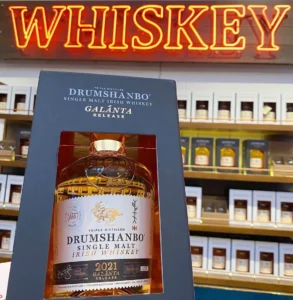
Core Characteristics of Single Malt Whisky
- Uses only malted barley as its grain base
- Distilled in traditional pot stills
- Produced at one distillery location
- Often highlights regional or distillery-specific traits
Single malt whisky is often described as an expression of place and process, and its identity is best understood through its single malt flavour profile, which can vary significantly across regions and distilleries.
What Defines Blended Whisky?
Blended whisky is a combination of different whiskies, typically including both malt whisky and grain whisky. These blends may include elements like small batch whiskey production in terms of controlled blending, though on a larger scale.
There are also refined categories such as premium blended malt and scotch blended malt whiskey, which focus more heavily on malt components and craftsmanship.
Well-known blended malt expressions like Big Peat Islay Blended Malt Scotch Whisky highlight bold regional characteristics.
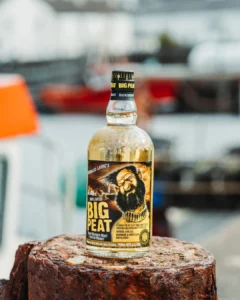
Core Characteristics of Blended Whisky
- Combines multiple whiskies from different sources
- Includes both malt and grain whisky
- Designed for consistency across batches
- Crafted by a master blender
Blended whisky is best understood through its blended whisky taste profile, which emphasizes harmony and smooth integration rather than bold individuality. Rock Island Blended Malt Scotch Whisky demonstrates how multiple island distilleries can be combined into a unified profile.
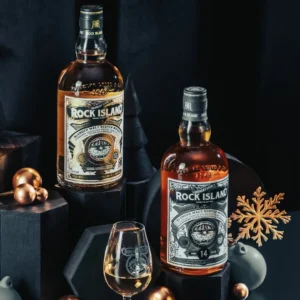
Single Malt vs Blended Whisky Production Process
The differences between single malt and blended whisky become clearer when examining the whisky production process.
Fermentation and Flavour Development
In single malt production, fermentation is often extended to encourage complex Flavors. This contributes to a richer single malt flavour profile.
Blended whisky components vary. Grain whisky is typically produced for a lighter, cleaner base that supports the overall blended whisky taste profile.
Distillation Methods
- Single malt whisky is distilled in pot stills, preserving heavier flavour compounds.
- Grain whisky used in blends is distilled in column stills, creating a lighter spirit.
This distinction shapes the final experience, influencing both whisky aroma and finish.
Identity vs Precision
Single malt production emphasizes identity, while blended whisky focuses on precision and repeatability.
Maturation in Single Malt and Blended Whisky
Aging plays a vital role in shaping both styles.
Single Malt Maturation
Single malts, especially aged single malt expressions, develop complexity over time in carefully selected casks. These are often positioned among imported whisky categories in global markets.
Blended Whisky Maturation
Blended whisky combines matured components to create consistency. Some high-end blends rival the reputation of best blended malt whiskey offerings.
Philosophical Difference
- Single malt: time reveals character
- Blended whisky: craft constructs character
Flavour Profile: Single Malt vs Blended Whisky
Flavour is where the contrast becomes most noticeable.
Single Malt Whisky Flavour
- Bold and distinctive
- Regionally expressive
- Sometimes complex and layered
The single malt flavour profile often includes deep notes that evolve through the whisky aroma and finish, making it a preferred choice among those exploring premium single malt categories.
Blended Whisky Flavour
- Smooth and balanced
- Designed for consistency
- Harmonized flavour structure
The blended whisky taste profile focuses on integration, offering a cohesive experience rather than sharp contrasts.
Craft vs Craftsmanship in Whisky Making
Single Malt: Expression of Craft
Single malt reflects distillery character and is often associated with collectible whiskey bottles that highlight origin and uniqueness.
Blended Whisky: Mastery of Craftsmanship
Blended whisky showcases the skill of combining multiple elements into one balanced composition, similar in precision to creating consistent profiles used in whiskey cocktail recipes.
Common Myths About Single Malt vs Blended Whisky
Myth 1: Single Malt is Always Superior
Both categories include high-quality from premium single malt to premium blended malt.
Myth 2: Blended Whisky is Lower Quality
Many blends, including Scotch blended malt whiskey, demonstrate exceptional craftsmanship.
Myth 3: Older Whisky is Always Better
While aged single malt expressions are valued, quality depends on balance rather than age alone.
Myth 4: Smoothness Equals Quality
Smoothness is subjective and does not define excellence.
When to Choose Single Malt or Blended Whisky
Choose Single Malt Whisky When:
- Exploring distinct single malt whiskey types
- Interested in depth and complexity
- Evaluating detailed whisky aroma and finish
Choose Blended Whisky When:
- Preferring a balanced blended whisky taste profile
- Seeking consistency
- Exploring versatility, including use in whiskey cocktail recipes
How to Taste Single Malt and Blended Whisky Fairly
A structured tasting approach helps highlight differences:
- Observe aroma
- Evaluate palate
- Assess the whisky aroma and finish
- Compare balance vs character
Some may also experiment with styles like whiskey on the rocks to observe how dilution affects flavour perception.
Historical Context of Single Malt and Blended Whisky
Blended whisky gained popularity due to its consistency and scalability, becoming widely recognized as imported whisky in many markets.
Single malt whisky later rose in prominence, especially categories like Scotch single malt whiskey, as consumers began seeking more distinctive expressions.
Conclusion
The comparison between single malt and blended whisky is not about choosing a winner.
Single malt whisky represents purity, often associated with best single malt whiskey and aged single malt craftsmanship. Blended whisky represents balance, seen in refined expressions like best blended malt whiskey and premium blended malt.
Elevate your whiskey offerings with Solis Group’s curated portfolio. Connect with us to explore opportunities that can inspire your business and engage your clientele.
Both styles offer value. Understanding their differences allows for a deeper appreciation of whisky beyond labels, trends, or assumptions.
FAQs
What makes single malt whisky different from blended whisky?
Single malt whisky is made from 100% malted barley at a single distillery, reflecting a specific distillery’s character. Blended whisky combines multiple malt and grain whiskies for balance and consistency.
How does the whisky production process affect flavour?
Pot still distillation in single malts retains heavy congeners for complexity, while column stills in grain whisky create a lighter base that blends smoothly with malts.
Why is single malt considered a purer expression?
Single malt showcases the influence of one distillery’s water, barley, fermentation, and still design, preserving distinct Flavors without external blending.
What defines the flavour profile of a blended whisky?
Blended whisky emphasizes harmony by combining multiple malt and grain whiskies, creating a smooth, consistent taste across batches without extreme peaks or intensity.
Does aging make single malt whisky better than blended whisky?
Age enhances flavour development in single malts but does not guarantee superiority; blended whiskies can achieve balanced complexity through careful component selection.
How do pot and column stills influence whisky aroma and finish?
Pot stills retain heavier esters and congeners, giving single malts a pronounced aroma and longer finish. Column stills produce lighter spirits that support blended harmony.
What are single malt whisky types I should know?
Single malt types vary by region, cask influence, and distillery style, ranging from smoky Islay expressions to fruity Speyside malts, each with unique single malt flavour profiles.
Can a blended whisky be complex like a single malt?
Yes, carefully crafted blends, especially premium blended malt whiskies, can deliver layered aromas and a structured finish while maintaining balance and approachability.
-
 French Vermouth Styles Hides Herbs in Silky Wine Base
 -
Oak Aged Red Wine delivers smoky warm finish
-
Rich Layered Taste Profile Dominates Blanc de Noirs
-
Vodka Taste Differ Even When Recipes Match
-
Craft Beer and Regular Beer gap Starts with Brewing Intent
-
Rare Cellars Hide Grande Champagne Cognac Stories
-
Light and Full-Bodied Sparkling Wines Bring Two Taste Layers
-
Maceration Time impacts Flavour in Pink Gin Styles
-
Rare Vintage Port Wine Peak Expression of Douro Vineyards
-
Vodka and Wine showed Two Worlds of Aroma


-
Christmas Cocktails You Can Make at Home
-
Sound Of Christmas Wine And Cheese?
-
A Fresh Take on New Year’s Resolutions
-
The Art of Smelling Wine Like a True Connoisseur
-
Looking for the Best Wine? Here's Where to Find It!
-
Read This Before You Buy Your Dad a Whisky.
-
Whiskey on the Rocks — Cool Choice or Flavor Mistake?
-
The Art of Pairing Wine with Indian Food
-
The Ingredients & Botanicals That Define Gin
-
Seven Days of Love — Wine for Valentine’s Week






-
French Vermouth Styles Hides Herbs in Silky Wine Base
-
Oak Aged Red Wine delivers smoky warm finish
-
Vodka Taste Differ Even When Recipes Match
-
Light and Full-Bodied Sparkling Wines Bring Two Taste Layers
-
Maceration Time impacts Flavour in Pink Gin Styles
-
Rare Vintage Port Wine Peak Expression of Douro Vineyards
-
Vodka and Wine showed Two Worlds of Aroma
-
Whiskey Colour Spectrum from Pale Gold to Ebony Depths
-
Gewurztraminer White Wine Reveals Floral Spice Magic
-
Pinot Noir and Merlot aroma notes mapped to clear flavours