
International Riesling Day Honors the Iconic Riesling Wine
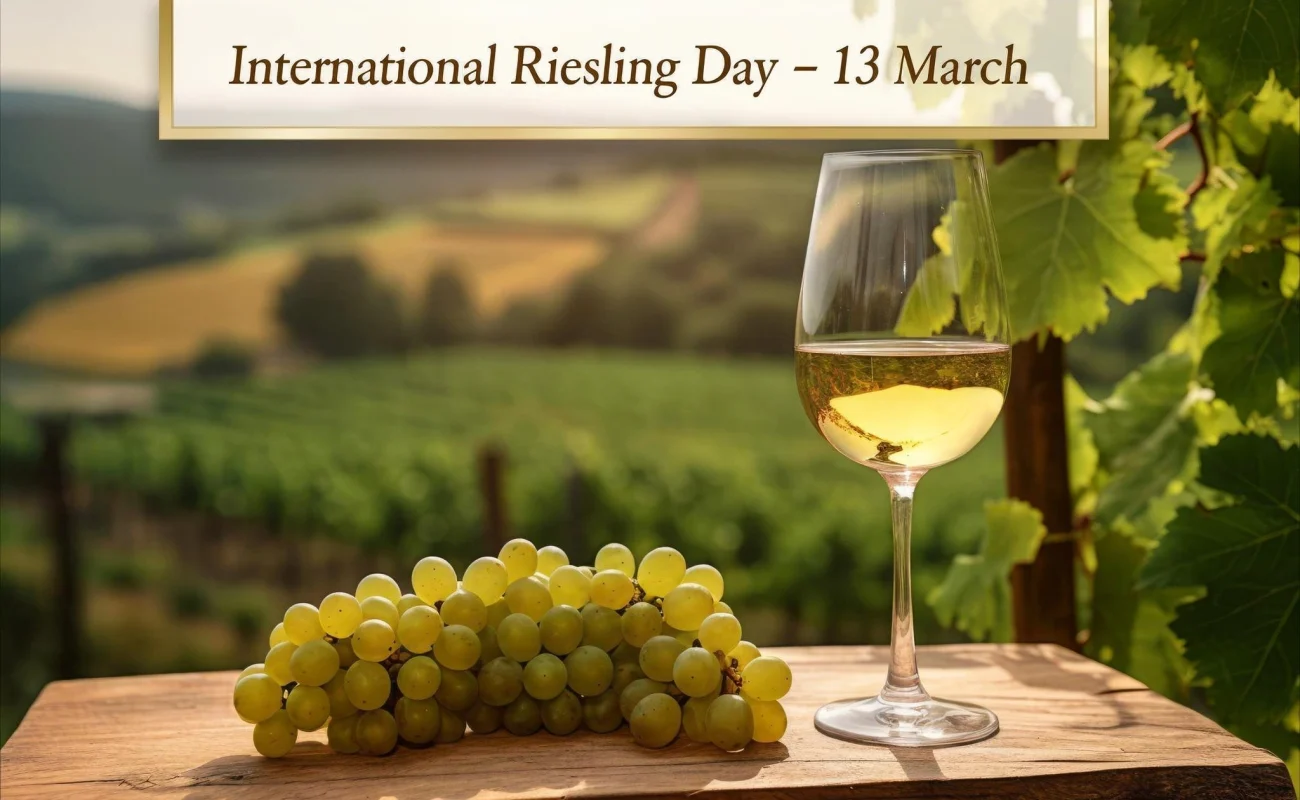
Across the world, cultural observances often highlight agricultural heritage and regional specialties that have shaped traditions for centuries. Among these global acknowledgments, International Riesling Day stands out as a moment dedicated to exploring one of the most respected white grape varieties in viticulture: the Riesling grape.
Rather than focusing on promotion, the day encourages reflection on the history of Riesling cultivation, the diversity of global vineyard traditions, and the distinctive characteristics associated with Riesling white wine. From historic European river valleys to modern vineyards across several continents, Riesling has become an important subject in discussions of wine heritage.
Over generations, the grape has gained attention because of its expressive aromatic character and adaptability to different climates. These qualities contribute to the wide range of styles and interpretations found across various Riesling wine regions.
For historians, vineyard experts, and culinary researchers serves as an opportunity to appreciate the enduring legacy of a grape that continues to influence global wine culture.
What Makes Riesling Wine One of the World’s Most Iconic Wines
Historical records indicate that the Riesling grape was first documented in Germany during the 15th century. Early references appear in the Rhine Valley, where vineyards were already cultivating the grape along steep slopes overlooking riverbanks.
These conditions proved ideal for Riesling. The combination of mineral-rich soils and cooler climates helped shape the unique characteristics later associated with Riesling white wine.
Over centuries, the grape became closely linked to the cultural identity of German wine regions.
How Riesling Became a Global Wine Variety
As European vineyard traditions spread to other continents, growers brought familiar grape varieties with them. Among these, the Riesling grape adapted successfully to new environments.
Today, vineyards in North America, Australia, and parts of Europe cultivate Riesling, creating diverse expressions influenced by local climates. These developments have expanded interest in the differences between global Riesling wine regions.
Defining Characteristics of Riesling
Several qualities distinguish Riesling from other grape varieties.
One key feature is the complexity of Riesling wine aroma, which can include floral and fruit elements depending on climate and soil conditions.
Another notable aspect is the versatility of the Riesling wine flavour profile, which ranges from crisp and mineral-driven to more fruit-forward expressions.
Because of these qualities, Riesling is widely recognized among the world’s respected noble grape varieties, a classification often used by wine scholars to describe grapes capable of producing wines with distinctive character and longevity.
The Unique Flavour Profile of Riesling Wine
Classic Riesling Wine Tasting Notes
Wine literature often describes the Riesling wine taste through a range of aromatic impressions. Typical Riesling wine tasting notes may include:
- Citrus elements such as lime or lemon
- Green apple characteristics
- Peach or apricot notes
- Floral aromas
- Honey-like nuances in certain aged examples
These features combine to create the distinctive Riesling wine flavour profile that has drawn the attention of wine experts and culinary researchers.
Influence of Terroir on Riesling
The concept of terroir refers to how environmental factors affect agricultural products. Riesling is particularly responsive to these influences.
Soil composition, climate, and vineyard location all shape the development of Riesling wine aroma and taste. Because of this sensitivity, wines produced in different Riesling wine regions can display noticeable variations.
For example, cooler climates may emphasize citrus freshness, while warmer conditions can bring forward richer fruit characteristics.
Dry and Sweet Riesling Styles
Riesling is known for its ability to produce wines across a wide sweetness spectrum. Some wines are produced in dry styles, while others retain varying degrees of natural sweetness.
This diversity contributes to the wide range of Riesling wine taste experiences associated with the grape.
Top Riesling Wine Regions Around the World
The global story of Riesling is closely tied to the regions where the grape thrives on International Riesling day.
Germany
Germany remains the historic centre of Riesling cultivation. Regions such as Mosel, Rheingau, and Pfalz are widely studied for their vineyard traditions and distinctive wines.
France
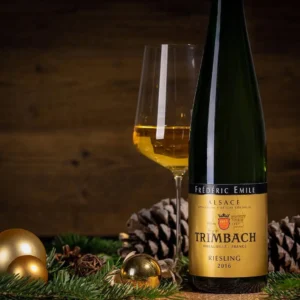
In northeastern France, the Alsace region has built a strong reputation for producing structured examples of Riesling white wine.
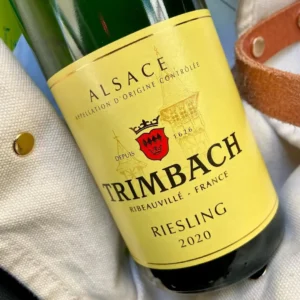
A notable illustration of this tradition can be seen in Trimbach Riesling White Wine, which reflects the long-established winemaking heritage of the region.
Australia
Australian regions such as Clare Valley and Eden Valley are known for producing vibrant interpretations influenced by warm sunlight and cool evening temperatures.
United States
In the United States, cooler climates such as Washington State and New York’s Finger Lakes region have become recognized for Riesling production.
Together, these areas demonstrate how different Riesling wine regions contribute unique expressions of the grape.
Riesling in Culinary Traditions
The Role of Riesling in Food Discussions
In culinary writing, Riesling is frequently mentioned because of its compatibility with diverse cuisines.
The concept of Riesling wine pairing often appears in discussions about balancing acidity, aroma, and food Flavors.
Cultural Relevance in Global Cuisine
Because Riesling wines vary widely in style, they are often included in conversations about food traditions around the world.
These discussions highlight the adaptability of Riesling white wine in culinary contexts.
Common Food Pairing Discussions
Writers and culinary professionals often reference Riesling wine pairing when exploring how Flavors interact.
Examples frequently mentioned include:
- Asian cuisine featuring aromatic herbs and spices
- Seafood dishes such as sushi
- Meals containing moderate spice levels
- Certain cheese varieties
- Fruit-based desserts
These examples illustrate how culinary traditions explore complementary flavour relationships involving Riesling wine taste.
Styles of Riesling Wine
The Riesling grape can produce multiple wine styles.
Dry Riesling
Dry wines emphasize mineral structure and crisp acidity.
Off-Dry Riesling
These wines contain subtle sweetness balanced with refreshing acidity.
Sweet Riesling
Sweet styles often display richer fruit characteristics.
Late Harvest Riesling
Produced from grapes harvested later in the season.
Ice Wine Riesling
Made from grapes naturally frozen on the vine.
Each style contributes to the broader diversity of the Riesling wine flavour profile.
Recognizing Riesling Characteristics
Understanding Labels
Wine labels often include details about grape variety and origin. These details help explain the context behind Riesling wine tasting notes and regional differences.
Regional Variations
Different Riesling wine regions produce wines with distinct aromatic and structural qualities.
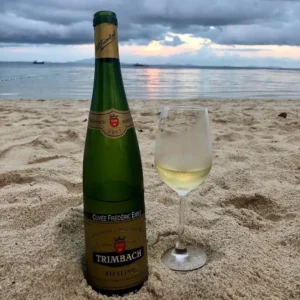
In the Alsace region, for example, producers such as those behind Trimbach Riesling White Wine are known for emphasizing clarity of fruit and varietal expression.
Aging Potential of Riesling
Riesling is often discussed for its ability to age gracefully.
The balance between acidity and sugar in certain wines allows gradual development over time. As these wines mature, the Riesling wine aroma may evolve, introducing additional layers of complexity.
This aging potential has contributed to the continued study of Riesling among wine historians and collectors.
Historical Importance in Europe
European vineyards cultivated Riesling for centuries, making it a central part of regional wine traditions.
Expansion Across the World
As vineyards developed in other countries, the Riesling grape demonstrated its adaptability to new environments.
Recognition by Wine Experts
Many wine scholars include Riesling among the most respected noble grape varieties because of its ability to reflect terroir and maintain strong structure over time.
Interesting Facts About Riesling
Several facts highlight the uniqueness of the grape:
- The Riesling grape is one of the oldest documented white wine varieties.
- Many wine experts emphasize the complexity of Riesling wine aroma.
- The grape contributes to a diverse Riesling wine flavour profile across global regions.
- Discussions about Riesling wine taste often focus on its balance between acidity and aromatic intensity.
Conclusion
The story of Riesling reflects centuries of agricultural heritage and vineyard tradition. Through the cultivation of the Riesling grape, regions across the world have developed distinctive interpretations shaped by climate, soil, and winemaking practices.
Observances such as International Riesling Day offer an opportunity to explore the cultural and historical importance of this grape variety. From historic European vineyards to expanding Riesling wine regions worldwide, the enduring presence of Riesling continues to illustrate how agriculture, geography, and tradition intersect in global culinary culture.
Solis Group Carefully selected imported white wines can elevate the overall dining experience with distinctive character and heritage. For organizations interested in exploring business opportunities around premium Riesling selections, we would be happy to connect.
FAQs
What is International Riesling Day?
International Riesling Day is an observance that highlights the historical and cultural significance of the Riesling grape. It encourages discussions about global Riesling wine regions and their winemaking traditions.
What makes the Riesling grape unique among wine grapes?
The Riesling grape is known for its expressive aromatics and its ability to reflect the climate and soil where it grows. This quality helps create distinctive styles across different regions.
What does Riesling wine taste like?
The Riesling wine taste can vary depending on the style and region. Common characteristics include citrus, apple, peach, and floral notes within its recognizable flavour profile.
Why is Riesling considered one of the noble grape varieties?
Riesling is often classified among the noble grape varieties because of its consistent quality and ability to express terroir. It is also known for producing wines that can develop complexity over time.
What is common Riesling wine tasting notes?
Typical Riesling wine tasting notes include lime, green apple, peach, and floral aromas. Some aged wines may also develop honey or mineral characteristics.
Which regions are famous for Riesling production?
Many well-known Riesling wine regions include parts of Germany, France, Australia, and the United States. Each region produces wines with unique aromas and structural characteristics.
What foods are often discussed with Riesling wine pairing?
Conversations about Riesling wine pairing often include seafood, Asian cuisine, spicy dishes, and fruit-based desserts. These pairings highlight how the wine’s acidity and aroma complement diverse Flavors.
What defines the aroma of Riesling wine?
The Riesling wine aroma is typically described as highly expressive, featuring citrus, floral, and fruit characteristics. These aromatic qualities are influenced by climate, soil, and winemaking techniques.
-
 Fins Bois Cognac Delivers Character Without Spotlight
 -
Sherry Casks Add Rich Layers to Scotch Whisky Maturation
-
Pale Rose Wine change Impression in Tasting Surprise
-
London Dry Gin Holds Its Classic Appeal than Modern Gin
-
Prestige Cuvée Champagne Showcases Winemaking Vision
-
Pinot Grigio and Sauvignon Blanc Meets Flavour Intensity
-
Understanding Pink Gin Texture with Different Temperatures
-
International Vodka Day Works Beyond Party Stereotypes
-
French Vermouth Styles Hides Herbs in Silky Wine Base
-
Oak Aged Red Wine delivers smoky warm finish

-
Christmas Cocktails You Can Make at Home
-
Sound Of Christmas Wine And Cheese?
-
A Fresh Take on New Year’s Resolutions
-
The Art of Smelling Wine Like a True Connoisseur
-
Looking for the Best Wine? Here's Where to Find It!
-
Read This Before You Buy Your Dad a Whisky.
-
Whiskey on the Rocks — Cool Choice or Flavor Mistake?
-
The Art of Pairing Wine with Indian Food
-
The Ingredients & Botanicals That Define Gin
-
Seven Days of Love — Wine for Valentine’s Week







-
Sherry Casks Add Rich Layers to Scotch Whisky Maturation
-
Pale Rose Wine change Impression in Tasting Surprise
-
London Dry Gin Holds Its Classic Appeal than Modern Gin
-
Pinot Grigio and Sauvignon Blanc Meets Flavour Intensity
-
Understanding Pink Gin Texture with Different Temperatures
-
International Vodka Day Works Beyond Party Stereotypes
-
French Vermouth Styles Hides Herbs in Silky Wine Base
-
Oak Aged Red Wine delivers smoky warm finish
-
Vodka Taste Differ Even When Recipes Match
-
Light and Full-Bodied Sparkling Wines Bring Two Taste Layers