

Spanish White Wine Tells a Diverse Story from Coast to Mountains
Spanish white wine cannot be understood through a single style, grape, or region. The country stretches from mist-covered Atlantic vineyards in the northwest to sun-exposed inland plateaus and sharply elevated mountain slopes. These contrasting Spain wine regions form a complex and layered wine geography that directly shapes how grapes ripen and how wines express themselves.
While global attention often leans toward Spain’s reds, its white wines present an equally intricate narrative one built on structure, acidity, texture, and remarkable wine diversity. This diversity is driven by a combination of wine climate, shifting vineyard altitude, and the resilience of native wine grapes that have evolved alongside local conditions for generations.
Spanish White Wine Diversity
Climate Zones That Shape Style
Spain’s three dominant climate zones are not just geographical labels they actively determine grape physiology and wine structure:
- Atlantic influence: Lower sunlight intensity and high humidity slow sugar accumulation, resulting in wines with higher acidity and restrained alcohol levels
- Mediterranean influence: Consistent sunshine promotes phenolic ripeness, often leading to broader textures and riper fruit expression
- Continental interiors: Extreme temperature swings create a dual effect rapid daytime ripening balanced by nighttime acid retention
These climatic contrasts give rise to a wide range of wine styles, from sharply defined, linear wines to more expansive and textured expressions.
Altitude and Its Impact on White Wine Character
Elevation is one of the most defining yet often underestimated factors in Spanish viticulture. As altitude increases:
- Daytime temperatures drop
- Nighttime cooling becomes more pronounced
- Ripening slows, allowing aromatic compounds to develop gradually
This explains why many mountains’ wines display:
- Greater aromatic precision
- Firmer acidity
- More defined structural tension
Higher vineyard altitude also mitigates the impact of heat, making it increasingly important in modern vineyard planning.
Soil Diversity and Texture
Spain’s geological complexity is reflected in its diverse wine soil types, each influencing water retention, root depth, and mineral uptake:
- Slate (llicorella): Promotes concentration and a distinctive mineral grip
- Limestone: Enhances acidity and structural elegance
- Granite: Encourages aromatic clarity and lighter texture
- Clay: Retains water, contributing to fuller body
These interactions often result in mineral wines, where texture, salinity, and subtle earth-driven characteristics take precedence over overt fruit.
Coastal Spanish White Wines
Rías Baixas and Atlantic Influence
In this Atlantic-facing region, vineyard management is shaped by humidity, rainfall, and fungal pressure. Pergola training systems are commonly used to improve airflow and reduce disease risk.
The hallmark Albariño wine produced here is defined not just by flavour, but by structure:
- High natural acidity due to slow ripening
- Saline undertones linked to maritime influence
- Medium body with precise, clean finishes
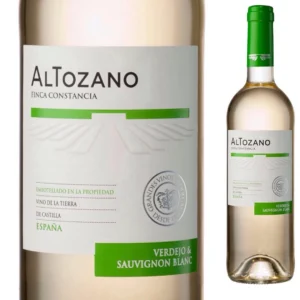
This interplay between environment and grape expression is also echoed in modern blends such as Altozano Verdejo Sauvignon Blanc White Wine, where freshness and aromatic lift reflect broader coastal-inspired winemaking trends.
Txakoli: Lightness and Energy
Txakoli’s defining feature lies in its balance between low alcohol and high acidity. The wines often undergo early bottling to preserve dissolved carbon dioxide, contributing to their subtle effervescence.
These coastal wines emphasize:
- Crisp green fruit
- Lean structure
- A tension-driven finish shaped by oceanic conditions
Valdeorras: A Bridge Between Worlds
Valdeorras sits at a climatic intersection. The Godello wine here reflects both Atlantic freshness and inland structure:
- Thicker skins contribute to phenolic texture
- Balanced acidity supports aging potential
- Greater weight compared to purely coastal styles
Inland Spanish White Wines
Rueda: The Rise of Verdejo
Rueda’s success is rooted in its diurnal temperature variation. Hot days accelerate sugar development, while cool nights preserve acidity.
The defining Verdejo wine profile includes:
- Volatile aromatic compounds (herbal, fennel-like notes)
- Slight phenolic bitterness, adding grip
- Moderate alcohol balanced by freshness
This structured inland expression is also reflected in wines like Altozano Verdejo Sauvignon Blanc White Wine, where blending enhances aromatic complexity while maintaining clarity.
Castilla-La Mancha: Adaptation to Extremes
Here, vine survival depends on drought resistance and deep root systems. Historically dominated by high-yield production, the region is now shifting toward:
- Controlled yields
- Improved canopy management
- Focus on site-specific expression
This transformation is reshaping perceptions of wine regions Spain and their potential for quality-driven white wines.
Mountain Spanish White Wines
Priorat: Beyond Red Wine Identity
In Priorat, steep vineyard gradients limit mechanization, requiring manual labour and resulting in naturally low yields. Whites made from Garnacha Blanca and Macabeo wine display:
- Concentrated flavour due to vine stress
- Pronounced mineral backbone from slate soils
- Textural depth enhanced by low production volumes
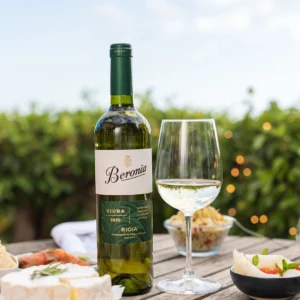
These characteristics are also visible in wines such as Beronia Viura White Wine, where structure and layering reflect both grape and terroir.
Somontano: High-Altitude Freshness
Somontano benefits from mountain breezes that regulate temperature and reduce disease pressure. This allows for longer hang time, improving flavour development without sacrificing acidity.
Sierra de Gredos: Terroir-Driven Expression
Granite-based soils and old vines produce wines that emphasize wine terroir over varietal dominance. These wines often show:
- Subtle aromatics
- Fine texture
- A strong sense of place rather than overt fruitiness
Indigenous Grapes and Spanish White Wine Identity
Spanish grapes varieties are not only culturally significant but also biologically adapted to local conditions.
Examples include:
- Albariño’s resistance to humidity
- Verdejo’s tolerance for temperature swings
- Godello’s balance of structure and acidity
- Garnacha Blanca’s drought resilience
- Macabeo’s adaptability across styles
Wines like Beronia Viura White Wine illustrate how traditional grapes can evolve through modern techniques while maintaining regional identity across wine regions Spain.
Winemaking Approaches
Winemaking decisions in Spain increasingly reflect a balance between preservation and experimentation:
- Stainless steel fermentation maintains primary fruit and aromatic clarity
- Oak aging introduces oxygen interaction, softening structure and adding complexity
- Lees contact enhances polysaccharide content, contributing to mouthfeel
These variables significantly influence perception during wine tasting, especially in terms of texture and finish.
Aging Potential of Spanish White Wines
Rioja: A Tradition of Aged Whites
Rioja’s white wines often undergo extended aging, sometimes in both barrel and bottle. This leads to:
- Oxidative development
- Nutty, layered flavour profiles
- Increased textural complexity
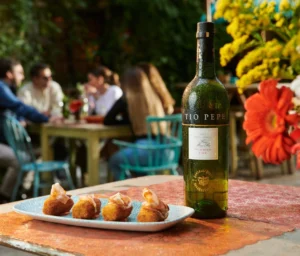
These characteristics are strongly represented in styles like Tio Pepe Sherry White Wine, where controlled oxidation and aging define the wine’s identity.
Structured Varieties with Longevity
Godello and similar varieties possess the structural components necessary for aging:
- Acidity for preservation
- Phenolic structure for stability
This aging potential is also evident in Tio Pepe Sherry White Wine, where time plays a central role in shaping depth and complexity.
Understanding Spanish White Wine Through Structure
Rather than relying on rigid frameworks, understanding structure provides a more flexible approach:
- Acidity determines freshness and longevity
- Body defines weight and texture
- Aromatics influence perception and complexity
This structural lens supports a more refined understanding of wine pairing, emphasizing balance over formula.
Climate Change and the Evolution of Spanish White Wine
Spain’s wine landscape is undergoing measurable shifts due to climate change:
- Earlier harvest dates
- Increased reliance on high-altitude vineyards
- Exploration of drought-resistant varieties
These changes are not reducing diversity; instead, they are reinforcing the adaptability of Spanish viticulture.
Why Spanish White Wine Diversity Matters
Spain’s white wines offer a rare combination of historical continuity and modern evolution. The interplay between climate, soil, and grape variety creates a spectrum that is both complex and dynamic.
From coastal wines shaped by Atlantic influence to structured inland expressions and refined high-altitude wines, Spain continues to redefine its position in the global wine landscape.
Conclusion
Spanish white wine is ultimately a reflection of its environment. Each region whether coastal, inland, or mountainous contributes to a broader narrative shaped by geography and time.
Solis Group works with businesses looking to highlight the depth and variety of Spanish white wines. Partnering with us provides access to carefully curated selections that reflect true regional character.
Understanding this diversity through wine geography allows for a deeper appreciation of how natural conditions and human decisions intersect. The result is a wine culture defined not by uniformity, but by contrast, adaptability, and enduring identity.
FAQs
What defines Spain’s white wine diversity?
Spain’s white wine diversity comes from its varied wine geography, including coastal, inland, and mountain climates, combined with indigenous grape varieties that adapt to local soils and altitudes.
Which factors influence coastal Spanish white wines?
Coastal wines reflect maritime influence, with higher humidity and sea breezes enhancing acidity and producing subtle saline notes in grapes like Albariño wine.
How does altitude affect Spanish mountain wines?
Higher vineyard altitude slows ripening, preserves acidity, and develops complex aromatics, creating precise, structured, and mineral-driven mountain whites.
Why are indigenous grapes important in Spain?
Native varieties like Godello, Verdejo, and Garnacha Blanca are genetically adapted to Spain’s climate extremes, providing unique Flavors and structural balance unattainable with international grapes.
What role does soil play in Spanish white wines?
Diverse wine soil types slate, limestone, granite control water retention, root depth, and mineral uptake, directly shaping acidity, texture, and the distinct minerality of wines.
How do coastal and inland styles differ in freshness?
Coastal wines emphasize lifted acidity and saline brightness, while inland wines offer weight, herbal notes, and structured phenolics, reflecting temperature extremes and sun exposure.
How does winemaking impact Spanish white wine expression?
Techniques like lees aging, oak fermentation, or amphora use influence texture, complexity, and aromatic clarity, translating vineyard terroir into nuanced wine styles.
Why is Spain a hotspot for wine diversity?
Spain combines extreme wine climate variation, diverse soils, and centuries of indigenous grape cultivation, creating a rare spectrum of white wines from coastal to mountain regions.
-
 Spanish White Wine Varieties from Coast to Mountains
 -
Beer Styles Decoded So Enjoy Your Pint on Your Own Terms
-
Reading Red Wine Tasting by Aroma Flavor and Finish
-
Battle of Purity vs Balance in Single Malt and Blended Whisky
-
Anatomy of Vodka Texture Driven by Its Base Ingredients
-
Signature Power of Port Wine Beyond the Fortified Sherry
-
Vermouth’s Botanical Deserves spot on World Vermouth Day
-
International Riesling Day Honors the Iconic Riesling Wine
-
Celebrate Holi with Gin cocktails and Fearless Colours
-
Irish Whiskey rise from Global Lounges to Curated Shelves




-
Christmas Cocktails You Can Make at Home
-
Sound Of Christmas Wine And Cheese?
-
A Fresh Take on New Year’s Resolutions
-
The Art of Smelling Wine Like a True Connoisseur
-
Looking for the Best Wine? Here's Where to Find It!
-
Read This Before You Buy Your Dad a Whisky.
-
The Art of Pairing Wine with Indian Food
-
Whiskey on the Rocks — Cool Choice or Flavor Mistake?
-
The Ingredients & Botanicals That Define Gin
-
Seven Days of Love — Wine for Valentine’s Week









-
Spanish White Wine Varieties from Coast to Mountains
-
Reading Red Wine Tasting by Aroma Flavor and Finish
-
Battle of Purity vs Balance in Single Malt and Blended Whisky
-
Anatomy of Vodka Texture Driven by Its Base Ingredients
-
Signature Power of Port Wine Beyond the Fortified Sherry
-
Vermouth’s Botanical Deserves spot on World Vermouth Day
-
International Riesling Day Honors the Iconic Riesling Wine
-
Celebrate Holi with Gin cocktails and Fearless Colours
-
Irish Whiskey rise from Global Lounges to Curated Shelves
-
Air Steals Bold Character from Single Malt Whiskey Bottles