

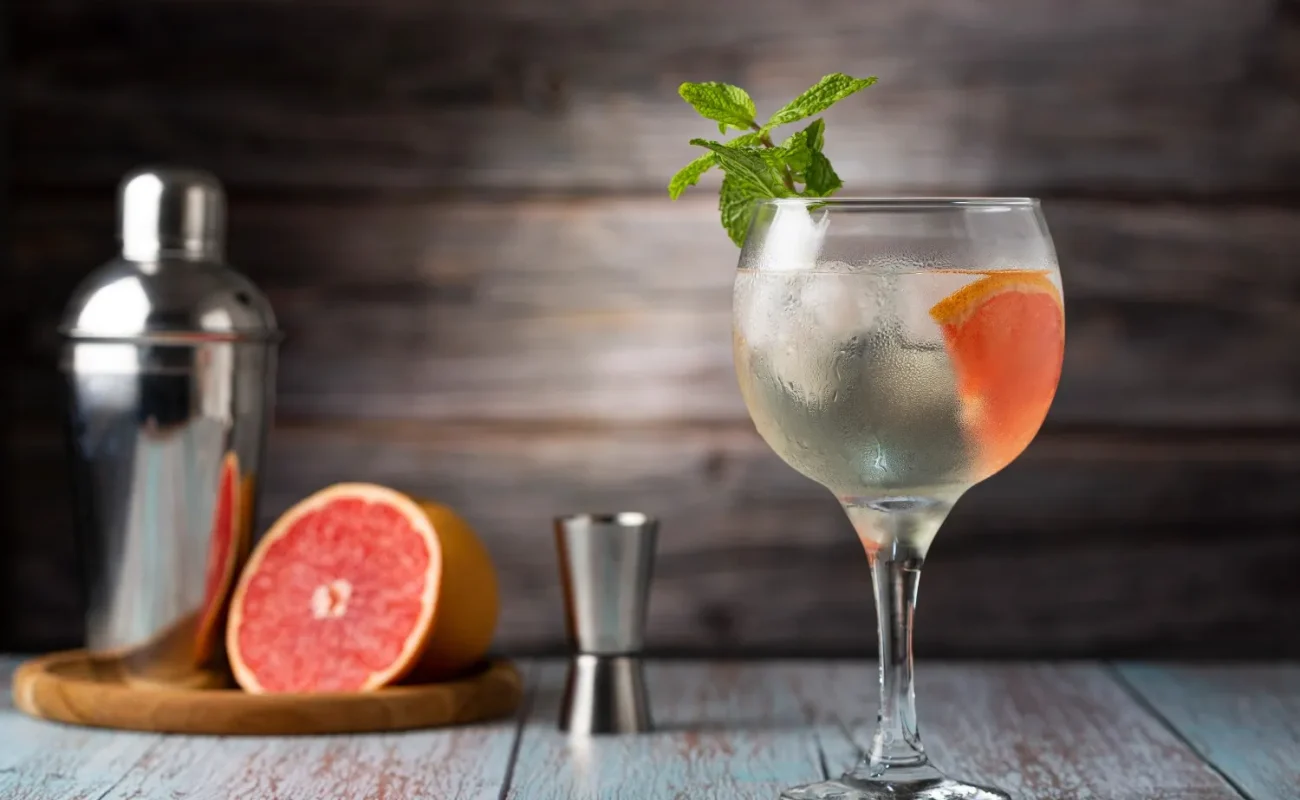
Gin and Tonic Offers Superior Harmony than Cocktails
Not all cocktails are built the same. Some rely on bold sweetness. Others lean heavily on sharp acidity or intense spirits. Many create impact, but few achieve balance.
Gin and tonic stands in a different category. It does not try to impress through excess. Instead, it refines the experience through restraint.
What makes it remarkable is not complexity alone but how that complexity is controlled. Every element feels intentional. Nothing is loud. Nothing feels out of place.
This is where harmony begins, especially when compared to most gin cocktails.
What Harmony Means in Gin & Tonic
Harmony in a drink is often misunderstood. It is not about having many ingredients. It is about how those ingredients interact.
A harmonious drink allows:
- No single flavour to dominate
- Each element to remain identifiable
- A smooth transition from aroma to finish
Many cocktails miss this balance. Sweetness overpowers. Citrus becomes aggressive. Alcohol feels disconnected.
It operates differently, making it one of the most refined forms of a gin vs spirit.
It creates a structure where:
- Bitterness supports botanicals
- Effervescence lifts aromas
- Subtle sweetness softens edges
The result is not just a drink it is a coordinated experience.
The Role of Gin in Gin & Tonic
Gin is not a neutral spirit. It carries identity.
At its core is juniper, but beyond that lies a spectrum of botanicals:
- Citrus peels
- Herbs
- Spices
- Floral elements
These components are carefully distilled to create layered profiles, often seen in small batch gin production.
In some expressions like London No.1 Gin, this balance leans toward refined citrus and spice, subtly shaping the overall harmony without overpowering the tonic.
Why This Matters
In most cocktails, the base spirit often fades behind mixers.
In gin and tonic, that does not happen. The spirit remains present yet never overwhelming.
Each sip reveals:
- Light citrus brightness
- Gentle herbal depth
- Occasional floral softness
This evolving profile is what gives gin and tonic its intellectual appeal, especially when exploring different gin Flavors.
Tonic Water’s Quiet Influence
Tonic water is often underestimated. It is essential to the drink’s harmony.
It brings three key elements:
- Bitterness from quinine
- Controlled sweetness
- Carbonation
The Power of Bitterness
Bitterness acts as a balancing force. It prevents the drink from becoming overly soft or flat.
Instead of masking Flavors, it sharpens them something rarely achieved by a typical gin mixer.
The Effect of Carbonation
Carbonation does more than add texture. It enhances aroma and perception.
As bubbles rise, they carry botanical notes upward, making the drink feel alive and dynamic.
Subtle Sweetness
Unlike sugary mixers, tonic’s sweetness is restrained. It exists only to support not dominate.
Together, these qualities make tonic an active partner, not just a filler.
Why Gin & Tonic Feels More Balanced
Many cocktails are built on contrast. Sweet versus sour. Strong versus diluted.
It focuses on alignment instead.
Here is how it differs:
- No Overpowering Element
There is no heavy syrup or aggressive acidity.
- Continuous Flavour Flow
The taste evolves smoothly instead of shifting abruptly.
- Clean Finish
The aftertaste is light, not lingering in a heavy or artificial way.
This creates a drinking experience that feels complete from start to finish, often influenced by the best gin selection.
Comparing Gin & Tonic to Other Cocktails
To understand its superiority, it helps to look at how other cocktails behave.
Sweet-Forward Cocktails
These often rely on syrups or liqueurs.
- Immediate impact
- Limited depth over time
Citrus-Dominant Drinks
These highlight freshness but can feel sharp.
- High acidity
- Short-lived balance
Spirit-Heavy Cocktails
These emphasize alcohol presence.
- Strong intensity
- Less approachability
Where Gin & Tonic Stands
Gin and tonic avoid all extremes.
It offers:
- Soft bitterness instead of sharp acidity
- Aromatic depth instead of sugar intensity
- Gentle structure instead of alcohol dominance
This middle ground is what defines its harmony, regardless of gin brands used.
The Sensory Experience of Gin & Tonic
Gin and tonic are not just tasted it is experienced.
Visual Appeal
- Crystal clarity
- Rising bubbles
- Minimalist presentation
Aroma
Before the first sip, the nose detects:
- Citrus hints
- Herbal freshness
- Light spice
Taste
The first sip introduces balance:
- Bitterness meets brightness
- Botanicals unfold gradually
Mouthfeel
- Light and effervescent
- Never heavy or syrupy
Finish
- Clean
- Refreshing
- Subtle
Each stage connects seamlessly, reinforcing the idea of harmony, whether it is a classic or even a modern pink gin tonic variation.
The Importance of Simplicity in Gin & Tonic
Complexity does not always require more ingredients. Sometimes, it comes from precision.
It proves that:
- Fewer components can create deeper experiences
- Restraint can be more powerful than excess
Many cocktails build complexity by adding layers.
Gin and tonic builds complexity by refining interaction, not by following every gin recipe variation.
How Botanicals Shape the Experience
Not all gin and tonic combinations taste the same.
That is because botanicals behave differently depending on their composition.
Citrus-Forward Profiles
- Bright
- Crisp
- Energetic
Herbal Profiles
- Earthy
- Calm
- Layered
Floral Profiles
- Soft
- Fragrant
- Elegant
Some modern interpretations even explore fruity gin expressions for added variation.
For instance, styles like Gunpowder Irish Gin with Sardinian Citrus Ceramic introduce a sharper citrus lift, subtly shifting how tonic interacts with the spirit.
These variations allow the drink to remain simple in structure while offering endless exploration in flavour.
Historical Evolution of Gin & Tonic
Gin and tonic did not start as a refined drink. Its origins are tied to practicality, forming an important part of gin history.
Over time, something interesting happened. What began as a functional mixture evolved into a balanced composition.
The pairing worked not by chance, but by structure. Bitterness, botanicals, and effervescence aligned naturally.
Why Gin & Tonic Appeals to Modern Taste
Modern preferences are shifting.
People are moving toward:
- Cleaner Flavors
- Less sweetness
- More natural profiles
It fits perfectly into this shift, especially with growing interest in best gin in India.
It offers:
- Transparency in taste
- Clarity in structure
- Consistency in experience
The Psychology of Balance in Drinks
There is also a psychological aspect to harmony.
Balanced Flavors are easier to process. They feel more satisfying over time.
Drinks that are too sweet or too strong often lead to fatigue.
Gin and tonic avoid this by maintaining equilibrium, regardless of debates like gin vs dry gin.
This makes it:
- More approachable
- More repeatable as an experience
- More engaging for the senses
Why Gin & Tonic Stands Above Cocktails
At its core, the difference comes down to philosophy. Most cocktails aim to create impact.
This aim to create balance.
This balance results in:
- Greater clarity of flavour
- Better sensory integration
- More refined overall experience
Even environments like a gin bar often highlight this simplicity as sophistication.
Conclusion
Gin and tonic are often described as simple. But simplicity can be deceptive.
Behind its minimal structure lies careful alignment:
- Botanicals that evolve
- Bitterness that supports
- Effervescence that enhances
Each part contributes without overpowering.
Understanding this balance is far more important than focusing on how to make gin itself.
This is what makes it stand apart. Not complexity alone. Not history alone.
But harmony achieved with consistency and clarity and that is why this continue to define what a balanced cocktail should feel like.
Understanding the role of balance in spirits can influence how a portfolio evolves and Solis Group brings together selections that reflect this philosophy.
Reach out to us for more considered approach to building a distinctive and relevant spirits’ range.
FAQs
Why is gin and tonic considered a balanced cocktail?
Gin and tonic achieve balance through equal interaction of bitterness, botanicals, and carbonation. No single element dominates, allowing a smooth and layered drinking experience.
What makes gin and tonic different from other cocktails?
Unlike most cocktails, it does not rely on sugar or strong acidity for flavour. It focuses on clarity, where each ingredient remains distinct yet integrated.
How do botanicals influence gin and tonic taste.
Botanicals create evolving flavour layers ranging from citrus to herbal notes. These subtle shifts give depth without making the drink heavy or complex.
Why does tonic water matter in gin and tonic.
Tonic water adds bitterness and effervescence that enhance aromatic perception. It supports the spirit instead of masking it, maintaining structural balance.
Are gin and tonic a simple or complex drink.
It appears simple but delivers complexity through precise ingredient interaction. The depth comes from balance, not from adding multiple components.
Why does gin and tonic feel more refreshing?
Carbonation and light bitterness create a clean and crisp mouthfeel. This prevents flavour fatigue and keeps the experience consistent.
What role does aroma play in gin and tonic?
Aroma is central, as carbonation lifts botanical scents before tasting. This creates a multi-sensory experience that begins before the first sip.
What defines a perfect gin and tonic experience?
A perfect experience is marked by clarity, balance, and a clean finish. Every sip should feel consistent, with no element overpowering another.
-
 True Essence of Champagne Comes from Its Grape Varieties
 -
Gin and Tonic Offers Superior Harmony than Cocktails
-
Spanish White Wine Varieties from Coast to Mountains
-
Beer Styles Decoded So Enjoy Your Pint on Your Own Terms
-
Reading Red Wine Tasting by Aroma Flavor and Finish
-
Battle of Purity vs Balance in Single Malt and Blended Whisky
-
Anatomy of Vodka Texture Driven by Its Base Ingredients
-
Signature Power of Port Wine Beyond the Fortified Sherry
-
Vermouth’s Botanical Deserves spot on World Vermouth Day
-
International Riesling Day Honors the Iconic Riesling Wine


-
Christmas Cocktails You Can Make at Home
-
Sound Of Christmas Wine And Cheese?
-
A Fresh Take on New Year’s Resolutions
-
The Art of Smelling Wine Like a True Connoisseur
-
Looking for the Best Wine? Here's Where to Find It!
-
Read This Before You Buy Your Dad a Whisky.
-
The Art of Pairing Wine with Indian Food
-
Whiskey on the Rocks — Cool Choice or Flavor Mistake?
-
The Ingredients & Botanicals That Define Gin
-
Seven Days of Love — Wine for Valentine’s Week





-
Gin and Tonic Offers Superior Harmony than Cocktails
-
Spanish White Wine Varieties from Coast to Mountains
-
Reading Red Wine Tasting by Aroma Flavor and Finish
-
Battle of Purity vs Balance in Single Malt and Blended Whisky
-
Anatomy of Vodka Texture Driven by Its Base Ingredients
-
Signature Power of Port Wine Beyond the Fortified Sherry
-
Vermouth’s Botanical Deserves spot on World Vermouth Day
-
International Riesling Day Honors the Iconic Riesling Wine
-
Celebrate Holi with Gin cocktails and Fearless Colours
-
Irish Whiskey rise from Global Lounges to Curated Shelves