
True Essence of Champagne Comes from Its Grape Varieties
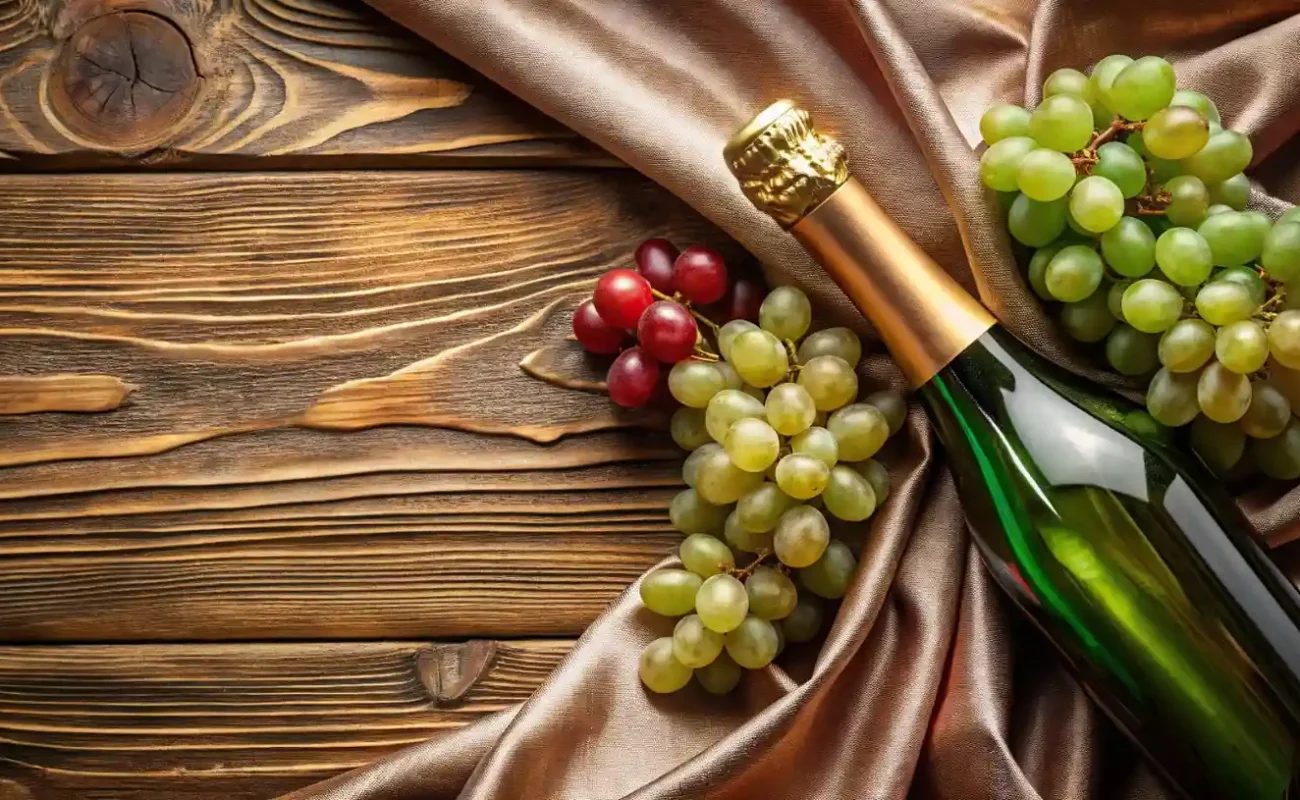
Champagne is often recognized for its fine bubbles and refined texture, but its identity begins much earlier with the grapes. Every nuance in aroma, structure, and finish can be traced back to the raw material grown across carefully managed Champagne vineyard landscapes.
Champagne grape varieties are cultivated, selected, and blended with intent, forming the backbone of what defines both traditional French champagne and modern interpretations. This focused approach allows producers to achieve consistency while still expressing complexity, deeply rooted in Champagne history.
Champagne Grape Varieties Define Flavour and Structure
More Than Just Ingredients
In Champagne, grapes are not interchangeable. Each variety contributes something structurally essential acidity, body, or aromatic lift. This is why understanding Champagne grapes varieties is key to understanding the wine itself.
Chardonnay introduces tension and freshness. Pinot Noir builds depth. Meunier softens the edges. The result is not dominated by one element, but shaped through balance.
The Precision of Blending
Unlike many wines that showcase a single grape, Champagne relies heavily on blending. This is not simply a stylistic choice it is a technical necessity. Blending allows producers to refine texture, stabilize flavour, and maintain a recognizable identity across releases.
This approach is also why leading Champagne brands can deliver consistency year after year, even when growing conditions vary.
Influence of Origin and Environment
The region where these grapes are grown plays a defining role. Chalk-rich soils, cool climate conditions, and controlled vineyard practice all influence how the fruit develops.
The result is a natural acidity and mineral backbone that cannot be replicated elsewhere, forming a key part of Champagne history and its global identity.
The Three Primary Champagne Grape Varieties
Chardonnay: Structure Through Precision
Chardonnay is responsible for the sharp, linear profile often associated with high-quality Champagne. It is one of the core grapes alongside Chardonnay and Pinot Noir, forming the structural base of many blends.
Flavour Profile
Expect citrus-driven notes—lemon, green apple alongside subtle floral and mineral characteristics.
Structural Impact
Chardonnay contributes acidity and tension. It gives Champagne its ability to feel fresh while also supporting long-term development.
Why It Matters
Champagnes with a higher proportion of Chardonnay are often perceived as more refined and age-worthy, frequently defining what many consider the best champagne expressions.
Pinot Noir: Weight and Depth
Pinot Noir introduces structure and intensity. Without it, Champagne would lack the depth that gives it presence on the palate.
Flavour Profile
Red fruit notes such as cherry and raspberry, often layered with subtle spice or earthy undertones.
Structural Impact
It adds body and backbone, creating a fuller, more grounded profile.
Why It Matters
This grape is central to many blends produced by established Champagne brands, particularly those aiming for richness and complexity.
Pinot Meunier: Balance and Approachability
Often underestimated, Meunier plays a crucial role in shaping accessibility and softness.
Flavour Profile
Riper fruit characteristics with a slightly rounder, more open expression.
Structural Impact
It reduces sharpness and enhances drinkability, making the Champagne feel more complete.
Why It Matters
Meunier ensures that Champagne is not overly rigid. It introduces a sense of ease, often making styles more suitable for broader occasions like a Champagne party setting.
How These Champagne Grape Varieties Work Together
Balance Over Dominance
No single grape defines Champagne. Instead, the interplay between them creates its identity. Chardonnay sharpens, Pinot Noir strengthens, and Meunier softens.
This balance is what separates a technically correct wine from a truly compelling one.
Building a Signature Style
Every producer adjusts the proportion of these grapes to create a recognizable profile. Some lean toward precision and freshness, while others prioritize richness and body.
This blending philosophy is often reflected not only in taste but also in presentation, from labelling to the design of a Champagne bottle.
Consistency Across Time
Blending also allows producers to maintain Champagne consistency across years. Even when harvest conditions change, the final expression remains aligned with the house style.
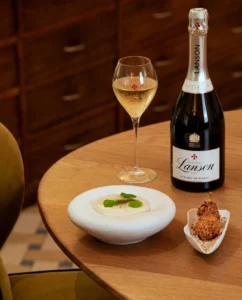
A refined example of how grape balance shapes a softer, more expressive profile can be observed in Lanson Le White Label Sec Nv Champagne, where sweetness and structure reflect careful grape selection.
Lesser-Known Champagne Grape Varieties
Rare but Approved
Beyond the main three, a small number of additional grape varieties are permitted, including Arbane and Petit Meslier.
Why They Remain Uncommon
These grapes are more difficult to cultivate and less predictable, which limits their widespread use.
Their Contribution
When used, they introduce subtle variations in aroma and texture, sometimes featured in niche releases or curated Champagne gift set selections.
How Grape Composition Shapes Flavour Profiles
Fresh and Linear Styles
Driven by Chardonnay, these styles emphasize acidity, minerality, and precision—hallmarks of traditional French champagne.
Rich and Structured Expressions
Pinot Noir brings weight and depth, resulting in a more powerful and layered experience.
Soft and Fruit-Forward Profiles
Meunier enhances fruit expression and smoothness, creating a more approachable style.
Reading Champagne Through Its Composition
Blanc de Blancs
Made entirely from white grapes, typically Chardonnay. Known for clarity and sharp definition, often highlighted in a well-shaped champagne glass.
Blanc de Noirs
Produced from black grapes, offering more body and richness.
Blended Styles
The most common format, combining all three grapes to achieve balance. These are often present in celebratory settings such as a Champagne festival.
A structured and balanced blend showcasing depth and consistency can be seen in Lanson Le Black Creation Nv Champagne, where grape composition defines its signature profile.

Terroir and Its Impact on Grape Expression
Soil Influence
Chalk-heavy soils contribute to the mineral edge found in many Champagnes.
Climate Conditions
Cool temperatures preserve acidity, ensuring freshness remains a defining trait.
Regional Variation
Even within the same region, grape expression can vary further enhancing the character of Champagne grapes.
Aging Potential and Grape Roles
Chardonnay and Longevity
Supports long aging, gradually developing layered complexity.
Pinot Noir and Depth Over Time
Strengthens structure, allowing the wine to evolve.
Meunier and Early Expression
Offers immediate fruit character, often expressed in younger styles.
Common Misconceptions
Dryness Equals Quality
Quality is defined by balance, not just dryness.
Limited Grapes Mean Limited Flavour
Restriction leads to precision and deeper control.
Dark Grapes Produce Dark Wine
Careful pressing ensures clarity, even when using black grapes.
Recognizing Grape Influence in the Glass
Citrus and Sharpness
Typically linked to Chardonnay.
Depth and Red Fruit
Indicative of Pinot Noir, also seen in styles like Rosé champagne.
Roundness and Soft Texture
Often a result of Meunier’s influence.
Conclusion
At its core, Champagne is a study in precision. With just a few grape varieties, it achieves remarkable diversity in flavour and structure. From the sharp clarity of Chardonnay to the depth of Pinot Noir and the softness of Meunier, each component plays a defined role.
Even the way it is presented in a well-designed champagne glass or a carefully crafted Champagne bottle reflects the same attention to detail that begins in the vineyard.
As demand for nuanced Champagne styles grows, informed sourcing becomes a key advantage. Solis Group helps bridge the gap between producers and markets with a focus on authenticity and alignment. Connect with us for strong partnerships that can lead to a more compelling and future-ready portfolio.
This is what gives Champagne its signature not excess, but balance, built with intent from the ground up.
FAQs
What are the main Champagne grape varieties?
The three primary Champagne grape varieties are Chardonnay, Pinot Noir, and Meunier. Each contributes acidity, structure, or fruit balance to the final blend.
Why are Champagne grape varieties blended?
Blending balances acidity, body, and aroma to create a consistent house style. It ensures complexity while maintaining identity across different harvest years.
How does Chardonnay influence Champagne flavour?
Chardonnay adds high acidity, citrus notes, and mineral precision. It is responsible for freshness, elegance, and long aging potential.
What role does Pinot Noir play in Champagne?
Pinot Noir provides structure, body, and depth. It introduces red fruit notes and strengthens the overall complexity of the wine.
Why is Meunier important in Champagne blends?
Meunier softens acidity and enhances fruit-forward character. It improves approachability and makes the Champagne feel more balanced.
Can Champagne be made from a single grape variety?
Yes, but it is less common and labelled accordingly like Blanc de Blancs. Most Champagne is blended to achieve greater balance and consistency.
How do Champagne grape varieties affect aging?
Chardonnay supports long-term aging with acidity, while Pinot Noir adds structure. Meunier contributes early drinkability but less aging potential.
Why are only a few grape varieties used in Champagne?
Strict regulations limit varieties to preserve quality and regional identity. This focused approach allows precise control over flavour and consistency.
-
 True Essence of Champagne Comes from Its Grape Varieties
 -
Gin and Tonic Offers Superior Harmony than Cocktails
-
Spanish White Wine Varieties from Coast to Mountains
-
Beer Styles Decoded So Enjoy Your Pint on Your Own Terms
-
Reading Red Wine Tasting by Aroma Flavor and Finish
-
Battle of Purity vs Balance in Single Malt and Blended Whisky
-
Anatomy of Vodka Texture Driven by Its Base Ingredients
-
Signature Power of Port Wine Beyond the Fortified Sherry
-
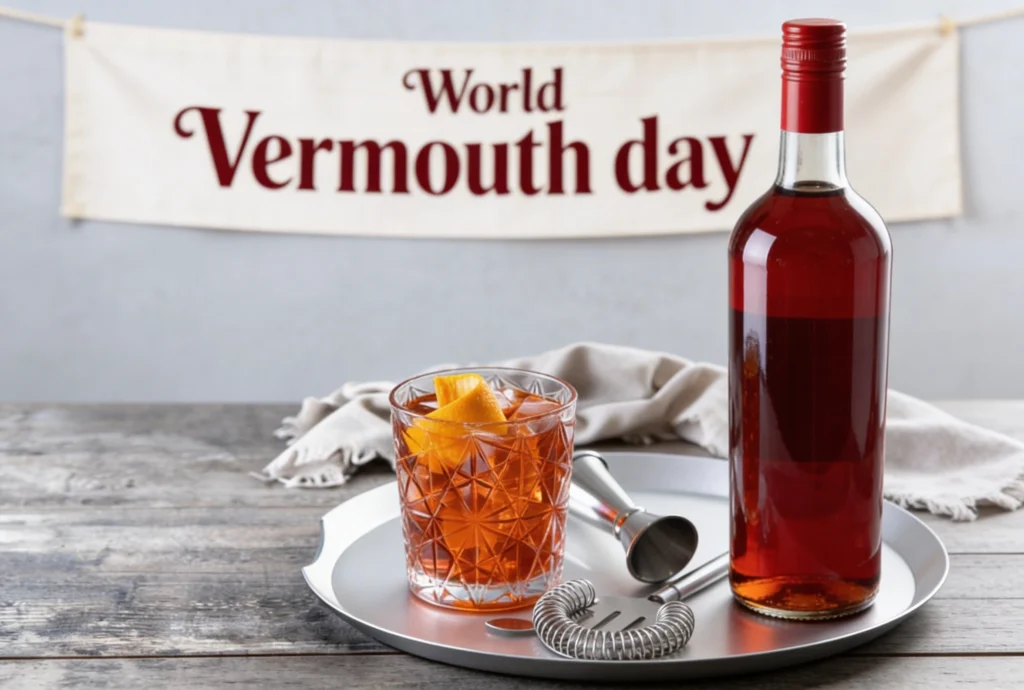
Vermouth’s Botanical Deserves spot on World Vermouth Day
-
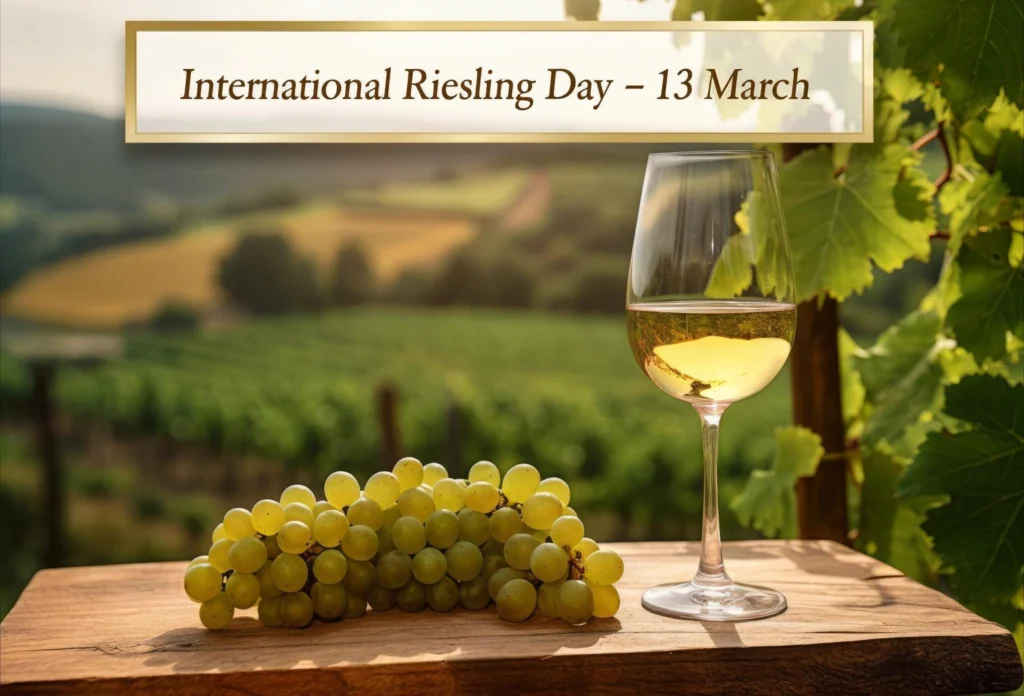
International Riesling Day Honors the Iconic Riesling Wine
-
Christmas Cocktails You Can Make at Home
-
Sound Of Christmas Wine And Cheese?
-
A Fresh Take on New Year’s Resolutions
-
The Art of Smelling Wine Like a True Connoisseur
-
Looking for the Best Wine? Here's Where to Find It!
-
Read This Before You Buy Your Dad a Whisky.
-
The Art of Pairing Wine with Indian Food
-
Whiskey on the Rocks — Cool Choice or Flavor Mistake?
-
The Ingredients & Botanicals That Define Gin
-
Seven Days of Love — Wine for Valentine’s Week





-
Gin and Tonic Offers Superior Harmony than Cocktails
-
Spanish White Wine Varieties from Coast to Mountains
-
Reading Red Wine Tasting by Aroma Flavor and Finish
-
Battle of Purity vs Balance in Single Malt and Blended Whisky
-
Anatomy of Vodka Texture Driven by Its Base Ingredients
-
Signature Power of Port Wine Beyond the Fortified Sherry
-
Vermouth’s Botanical Deserves spot on World Vermouth Day
-
International Riesling Day Honors the Iconic Riesling Wine
-
Celebrate Holi with Gin cocktails and Fearless Colours
-
Irish Whiskey rise from Global Lounges to Curated Shelves