
Beer Styles Decoded So Enjoy Your Pint on Your Own Terms
You walk into a place, glance at the beer list, and suddenly it feels like you are taking a test you did not study for. Names like IPA, Stout, Saison, Pilsner are different Beer styles yet none of them explain themselves. And somehow, everyone else seems to know exactly what they are doing.
Here is the truth: beer is not complicated. It just looks that way when no one explains the logic behind it. This is where understanding beer basics really changes everything.
What makes it confusing is not the beer it is the lack of a simple framework. Without that, every name feels random. With it, patterns start to appear.
Every beer style exists for a reason flavour balance, regional tradition, ingredient choice, or brewing technique. Once you understand these patterns, everything starts to click. What once felt random becomes predictable. What felt intimidating becomes something you can navigate with ease.
The Two Kingdoms of Beer
Ales vs Lagers — The Only Split That Really Matters
At its core, all beer falls into two major families: ales and lagers. This is not just technical it is the root of how beer behaves in your glass.
This distinction, often explained as ale vs lager, comes down to yeast and temperature.
Ales ferment at warmer temperatures. This allows yeast to produce more byproducts, which translate into fruity, spicy, or complex Flavors. That is why ales often feel expressive and layered.
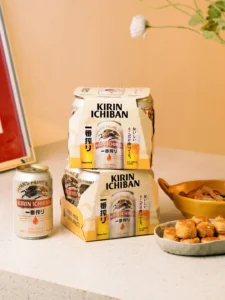
Lagers, including lager beer, ferment slowly at cooler temperatures. This process results in a cleaner, more controlled taste where no single element overwhelms the others. A classic example of this refined balance can be seen in Kirin Ichiban Beer known for its smooth and precise profile.
A helpful way to think about it:
- Ales are flavour-forward and expressive
- Lagers are crisp, subtle, and refined
This single distinction already gives you a mental shortcut when scanning any beer list.
The Flavour Compass
The Four Core Taste Drivers
Every beer you encounter is built on four pillars. Once you recognize them, you stop guessing and start understanding.
- Malt — The Foundation of Body and Sweetness
Malt defines the backbone of a beer. Light malts bring soft, bready notes, while darker malts introduce caramel, toffee, or roasted Flavors like coffee and chocolate. - Hops — The Edge and Aroma
Hops add structure. They can create bitterness, but also contribute bright aromas like citrus, pine, herbs, or flowers. The interplay of hops and malt is what creates the full spectrum of beer Flavors. - Yeast — The Hidden Character Builder
Yeast shapes personality. It can add subtle fruitiness, spice, or even earthy complexity depending on the strain used. - Alcohol — The Weight and Warmth
Alcohol influences how heavy or light a beer feels. It can add warmth and depth, especially in stronger styles.
How These Create Different Beer Styles
Beer styles are simply different expressions of balance. That is what creates distinct beer categories.
- A pale, crisp beer → low malt intensity, clean fermentation
- A dark, rich beer → roasted malts, fuller body
- A bitter beer → strong hop presence
- A smooth beer → restrained bitterness, balanced sweetness
This is how beer types explained becomes intuitive rather than overwhelming.
Popular Beer Styles
IPA (India Pale Ale) — The Loud One
IPA beer is built around hops. That means noticeable bitterness paired with bold aromas like citrus, tropical fruit, or pine.
What makes IPAs interesting is variation some are sharp and bitter; others lean juicy and aromatic. Either way, they are designed to stand out.
Pale Ale — The Balanced Middle Ground
Pale ale sits comfortably between subtle and bold. It carries hop character but keeps it balanced with malt.
This makes it one of the most approachable styles when moving beyond lighter beers.
Lager — The Clean Crowd-Pleaser
Lager beer focuses on precision. It is crisp, refreshing, and structured.
Nothing feels excessive. That clean consistency is what makes lagers widely appreciated. Beers like Kirin Ichiban Beer reflect this approach, where clarity and smoothness define the experience.
Stout — The Dark, Rich Comfort
Stout beer is defined by roasted malt. Expect notes like coffee, cocoa, and dark chocolate.
The texture often feels fuller, creating a slower, more layered experience.
Porter — The Smooth Roasted Cousin
Porter beer shares the roasted character of stout but presents it in a softer, more rounded way. It leans toward chocolate and nutty tones without the heavier intensity.
Wheat Beer — The Easy, Breezy One
Wheat beer is built for smoothness. It is light, slightly hazy, and often carries gentle fruity or spicy notes. Its soft texture and refreshing profile make it one of the easiest styles to explore.
Lesser-Known Styles That Deserve Your Attention
Beyond the familiar, beer becomes far more expressive this is where craft beer culture expands the experience.
Saison offers a dry finish with subtle spice and earthy depth.
Belgian styles combine sweetness, fruitiness, and complexity in layered ways.
Sour ales introduce controlled tartness, creating a completely different sensory experience.
Amber ales provide balance, sitting between light and dark with a warm malt presence.
Exploring these styles with a craft beer guide mindset opens a deeper appreciation for variety.
Why So Many Beer Styles Exist
Beer styles evolved through necessity and creativity.
Historically, brewers worked with what they had local grains, regional climates, and available yeast. Over time, this created distinct traditions, leading to the wide range of popular beer styles we see today.
Modern brewing builds on these traditions. Innovation continues to push boundaries, creating new expressions while respecting beer brewing basics.
That is why the diversity exists not to confuse, but to offer choice.
How to Identify Any Beer Style Like A Pro
A Simple Three-Step Method
Look
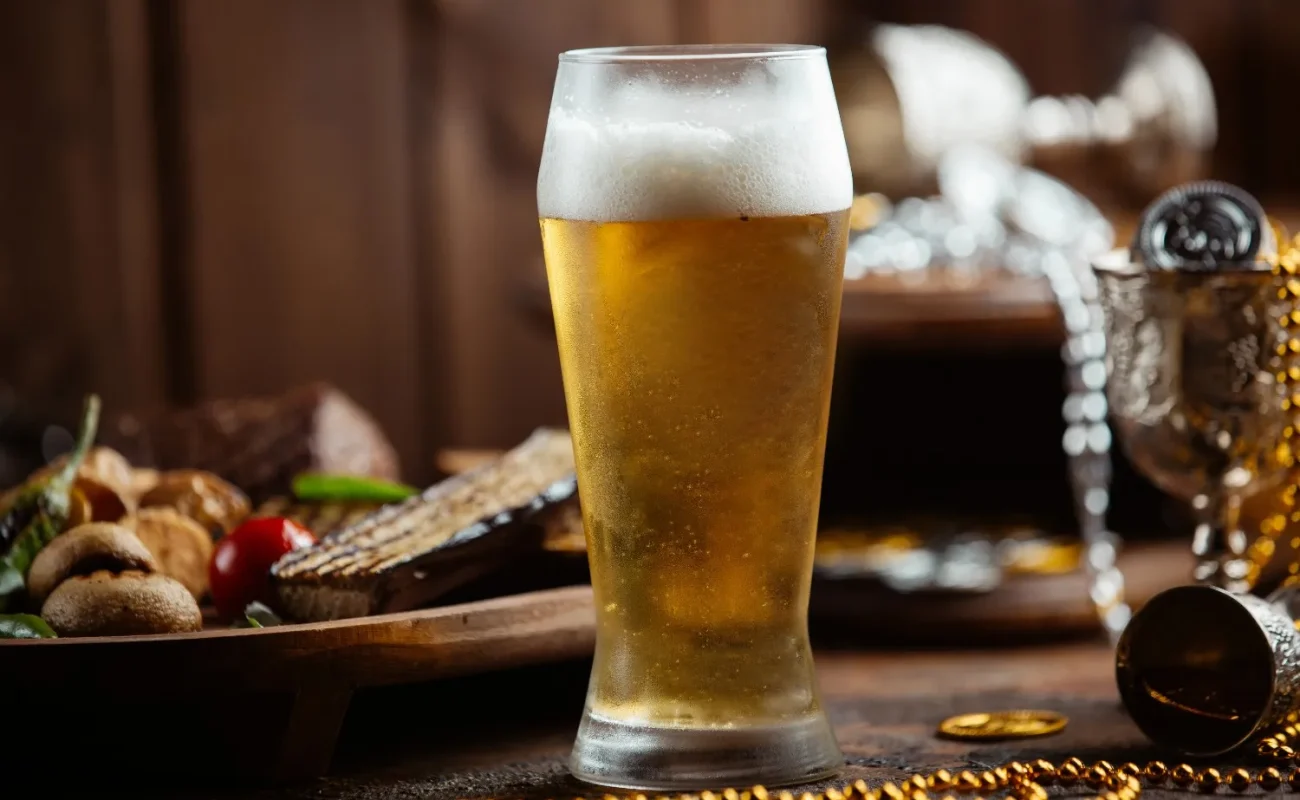
Colour tells you about the malt. Clarity hints at the style. Foam gives clues about texture.
Smell
Aroma prepares your expectations. Citrus suggests hops, roasted notes suggest darker malts.
Sip
Focus on structure. Is it bitter or smooth? Light or full? Does it linger?
This process builds awareness and strengthens your beer tasting ability while helping you mentally create your own beer taste chart.
Common Mistakes People Make with Beer Styles
- Assuming dark beers are always stronger
- Believing bitterness equals quality
- Staying within one familiar style
- Overlooking how serving conditions affect flavour
These habits often come from not understanding how to choose beer based on personal preference.
How to Find Your Personal Beer Style
Finding your preference is less about rules and more about observation.
Notice what you enjoy:
- Clean and refreshing → explore lighter styles
- Bold and aromatic → move toward hop-forward options
- Rich and layered → try darker styles
As you explore, understanding types of beer helps refine your choices naturally.
A Simple Cheat Sheet to Keep in Mind
- Light and refreshing → lagers or wheat beers
- Bold and expressive → IPAs
- Rich and deep → stouts or porters
- Unique and complex → Belgian or sour styles
Conclusion
That feeling of uncertainty was never about making a mistake. It was about not having the context. Now you understand beer styles in a way that feels natural, not overwhelming.
Expand your business horizons with insight into diverse beer styles. Our team can guide you toward selections that elevate your portfolio and partnerships.
Beer styles are not rules they are expressions of balance, ingredients, and creativity. Once you understand them, every choice becomes more intentional. And what once felt confusing now feels like discovery.
FAQs
What are the main beer categories?
Beer primarily splits into ales and lagers, distinguished by yeast type and fermentation temperature, which dictates flavour intensity and mouthfeel.
How do hops and malt affect beer taste?
Hops add bitterness and aroma, while malt provides sweetness, body, and colour; their balance defines the beer’s overall flavour profile.
Why does IPA taste so bitter?
IPAs feature high hop concentrations that contribute bold bitterness and strong aromatic notes like citrus, pine, or floral, giving them distinctive intensity.
What makes stout different from porter?
Stouts are heavier and roasted with stronger coffee or chocolate notes, whereas porters are smoother, softer, and more balanced in malt complexity.
How can I identify a beer style quickly?
Observe colour, clarity, and foam, then smell for hops or malt characteristics, and sip for balance this three-step sensory check decodes most styles.
Why is wheat beer cloudy?
Wheat beers retain suspended yeast and proteins, giving them a hazy appearance and soft, smooth texture, unlike filtered lagers or pale ales.
What are the key flavour patterns in beer?
Beer Flavors are driven by malt sweetness, hop bitterness, yeast-derived spice or fruitiness, and alcohol warmth, forming distinct style signatures.
How do lager and ale differ in fermentation?
Ales ferment warm and fast, producing expressive Flavors, while lagers ferment cool and slow, resulting in clean, crisp, and smooth profiles.
-
 Spanish White Wine Varieties from Coast to Mountains
 -
Beer Styles Decoded So Enjoy Your Pint on Your Own Terms
-
Reading Red Wine Tasting by Aroma Flavor and Finish
-
Battle of Purity vs Balance in Single Malt and Blended Whisky
-
Anatomy of Vodka Texture Driven by Its Base Ingredients
-
Signature Power of Port Wine Beyond the Fortified Sherry
-
Vermouth’s Botanical Deserves spot on World Vermouth Day
-
International Riesling Day Honors the Iconic Riesling Wine
-
Celebrate Holi with Gin cocktails and Fearless Colours
-
Irish Whiskey rise from Global Lounges to Curated Shelves


-
Christmas Cocktails You Can Make at Home
-
Sound Of Christmas Wine And Cheese?
-
A Fresh Take on New Year’s Resolutions
-
The Art of Smelling Wine Like a True Connoisseur
-
Looking for the Best Wine? Here's Where to Find It!
-
Read This Before You Buy Your Dad a Whisky.
-
The Art of Pairing Wine with Indian Food
-
Whiskey on the Rocks — Cool Choice or Flavor Mistake?
-
The Ingredients & Botanicals That Define Gin
-
Seven Days of Love — Wine for Valentine’s Week




-
Spanish White Wine Varieties from Coast to Mountains
-
Reading Red Wine Tasting by Aroma Flavor and Finish
-
Battle of Purity vs Balance in Single Malt and Blended Whisky
-
Anatomy of Vodka Texture Driven by Its Base Ingredients
-
Signature Power of Port Wine Beyond the Fortified Sherry
-
Vermouth’s Botanical Deserves spot on World Vermouth Day
-
International Riesling Day Honors the Iconic Riesling Wine
-
Celebrate Holi with Gin cocktails and Fearless Colours
-
Irish Whiskey rise from Global Lounges to Curated Shelves
-
Air Steals Bold Character from Single Malt Whiskey Bottles